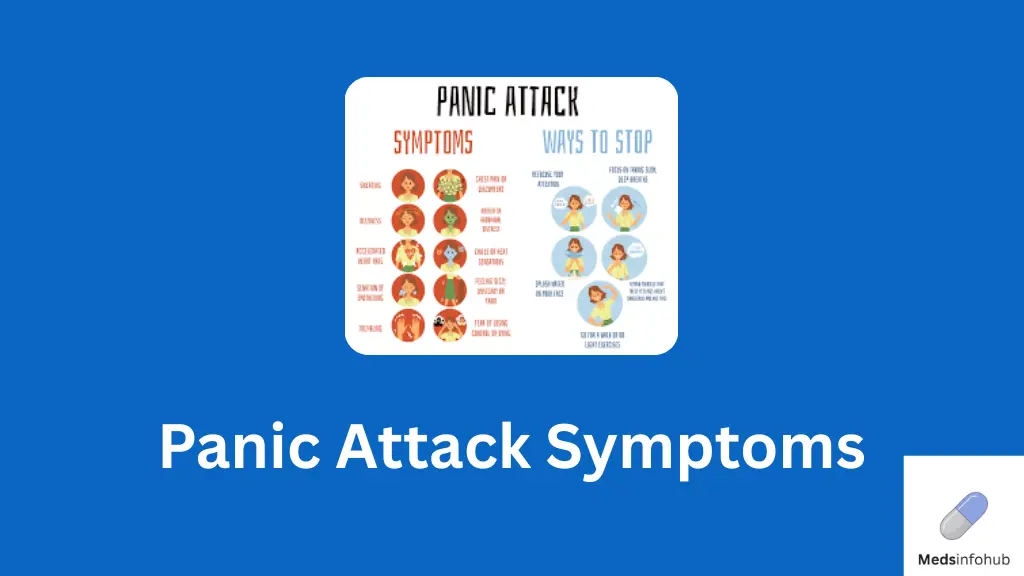
Panic attack symptoms can be sudden and intense, often mimicking medical emergencies. Recognizing the physical and emotional signs helps you manage attacks effectively and seek appropriate help.
What Are Panic Attack Symptoms?
A panic attack is a sudden surge of intense fear or discomfort that peaks within minutes. Panic attack symptoms are both physical and emotional, and they often appear without warning.
During an attack, the body enters “fight or flight” mode, releasing adrenaline. This causes symptoms such as racing heart, shortness of breath, or a sense of doom.
Panic attacks are not life-threatening, but the symptoms can feel overwhelming. Understanding them is key to managing episodes and reducing anxiety.
You can also read: Gallbladder Pain
Common Physical Symptoms of a Panic Attack
Physical symptoms often make panic attacks feel like a medical emergency.
Rapid Heartbeat (Palpitations)
A racing or pounding heart is one of the most noticeable symptoms. Some people feel like their heart is skipping beats or fluttering.
Shortness of Breath
You may feel unable to breathe deeply or as if air is trapped in your lungs. Hyperventilation can also occur.
Chest Pain or Discomfort
Chest tightness or sharp pain is common. While it mimics heart-related issues, it is usually caused by muscle tension and adrenaline during a panic attack.
Trembling or Shaking
Your hands, legs, or entire body may shake uncontrollably due to adrenaline surges.
Sweating or Chills
Sudden sweating or feeling cold can accompany a panic attack, sometimes causing a shivering sensation.
Nausea or Stomach Discomfort
Digestive distress, nausea, or abdominal cramping may occur, often linked to stress hormone release.
Numbness or Tingling
Pins and needles or tingling in the hands, feet, or face are common physical signs.
Common Emotional and Mental Symptoms
Emotional symptoms make panic attacks feel intense and frightening.
Fear of Losing Control
Many people feel they might lose control, go crazy, or faint during a panic attack.
Fear of Dying
The sudden surge of fear can make some people feel as though death is imminent, even though attacks are not dangerous.
Detachment from Reality
Some experience derealization or depersonalization, feeling disconnected from themselves or their surroundings.
Overwhelming Sense of Doom
A persistent feeling that something terrible is about to happen is a common mental symptom.
Triggers for Panic Attack Symptoms
Panic attacks can occur without a clear trigger, but certain factors can increase likelihood:
Stress
High stress from work, relationships, or major life events can trigger attacks.
Health Conditions
Medical conditions like thyroid problems, heart arrhythmias, or respiratory disorders can mimic or worsen panic symptoms.
Substance Use
Caffeine, alcohol, or recreational drugs can exacerbate anxiety and trigger attacks.
Trauma or Phobias
Past traumatic experiences or exposure to phobia triggers may increase vulnerability to panic attacks.
How Long Do Panic Attack Symptoms Last?
- Panic attacks usually peak within 10 minutes
- Some symptoms may linger for 20–30 minutes or longer
- Recovery can take additional time depending on stress levels and coping strategies
Coping Strategies During a Panic Attack
Even intense symptoms can be managed with techniques to calm the mind and body.
Focus on Breathing
Slow, deep breaths can reduce hyperventilation and calm the nervous system.
- Inhale through the nose for 4 seconds
- Hold for 2 seconds
- Exhale through the mouth for 6 seconds
Ground Yourself
Focus on the present using the 5-4-3-2-1 method:
- 5 things you see
- 4 things you feel
- 3 things you hear
- 2 things you smell
- 1 thing you taste
Positive Self-Talk
Remind yourself:
- “This is a panic attack, it will pass.”
- “I am safe and in control.”
Muscle Relaxation
Progressively tense and relax muscle groups to reduce physical tension.
Long-Term Management of Panic Attack Symptoms
Therapy
Cognitive-behavioral therapy (CBT) is highly effective. It helps identify triggers and teaches coping strategies.
Medication
Doctors may prescribe:
- SSRIs (selective serotonin reuptake inhibitors) for long-term anxiety control
- Benzodiazepines for short-term relief
Medication is often combined with therapy for best results.
Lifestyle Changes
- Exercise regularly to reduce stress
- Limit caffeine and alcohol
- Practice mindfulness or meditation
- Maintain a consistent sleep schedule
Support Networks
Talking to friends, family, or support groups reduces isolation and anxiety, providing practical coping tips.
When to Seek Professional Help
Consult a healthcare professional if:
- Panic attacks occur frequently or unpredictably
- Anxiety interferes with daily life
- You experience thoughts of self-harm or depression
- You’re unsure if symptoms are panic attacks or a medical emergency
Early intervention improves outcomes and reduces the frequency and severity of attacks.
Final Thoughts
Recognizing panic attack symptoms is crucial for managing episodes effectively. Physical signs like a racing heart or shortness of breath, combined with emotional symptoms like fear or detachment, can feel overwhelming.
With therapy, lifestyle changes, and supportive strategies, panic attacks are manageable and treatable. Understanding your symptoms, identifying triggers, and practicing coping techniques help you regain control and reduce fear over time.
Frequently Asked Questions (FAQs)
Can panic attacks be life-threatening?
No. Panic attacks are not dangerous, but the symptoms can feel severe and mimic medical emergencies.
Can children have panic attack symptoms?
Yes. Children may show fear, chest pain, or stomachaches during panic attacks.
How long do symptoms last?
Most attacks peak within 10 minutes, though residual anxiety may last longer.
Can lifestyle changes prevent panic attack symptoms?
Yes. Regular exercise, stress management, proper sleep, and limiting stimulants can reduce frequency and intensity.
1 thought on “Panic Attack Symptoms”