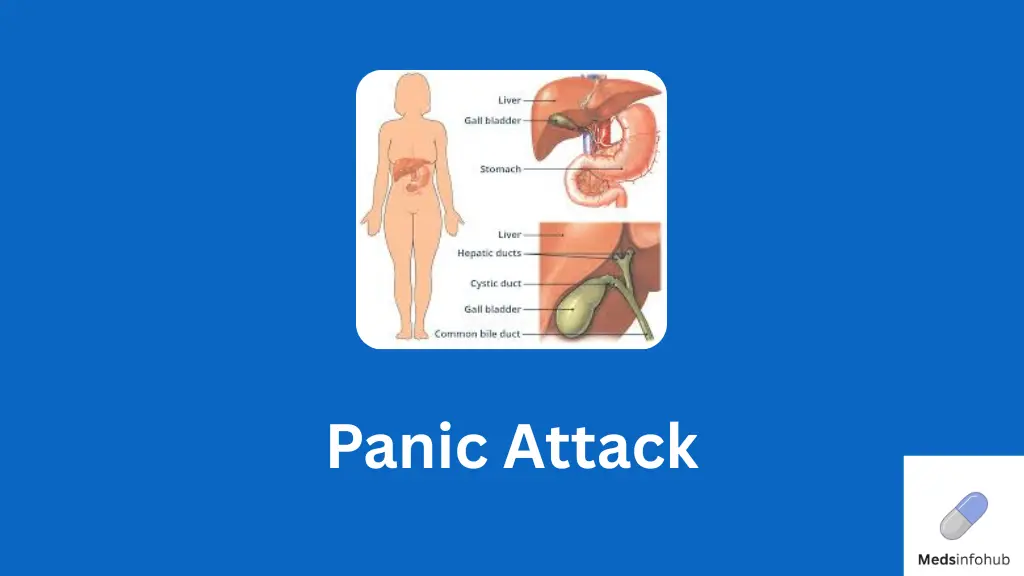
Gallbladder pain is often caused by gallstones, inflammation, or other digestive issues. Recognizing symptoms and understanding causes can help you seek timely treatment and prevent complications.
What Is Gallbladder Pain?
Gallbladder pain, sometimes called biliary pain, occurs when the gallbladder is irritated, inflamed, or blocked. The gallbladder is a small organ located under the liver, responsible for storing and releasing bile to help digest fats.
Pain often signals a problem with bile flow or the presence of gallstones, which are hardened deposits of cholesterol or bilirubin. While gallbladder pain can be sudden and intense, understanding its signs helps you address it promptly.
You can also read: Panic Attack
Common Causes of Gallbladder Pain
Gallbladder pain can result from several issues, ranging from minor irritation to serious conditions.
Gallstones (Cholelithiasis)
Gallstones are the most common cause. They can block bile ducts, leading to sudden, severe pain known as biliary colic.
Triggers:
- Fatty meals
- Large portions
- Skipping meals
Cholecystitis (Gallbladder Inflammation)
Inflammation occurs when a gallstone blocks the gallbladder, causing:
- Severe upper right abdominal pain
- Fever or chills
- Nausea or vomiting
Biliary Dyskinesia
Sometimes the gallbladder does not empty bile properly, leading to intermittent pain, bloating, and digestive discomfort.
Gallbladder Infection or Tumors
Though less common, infections or growths can cause persistent gallbladder pain and may require medical attention.
Where Gallbladder Pain Is Felt
Gallbladder pain typically occurs in the upper right abdomen, just under the rib cage.
Radiation of Pain
- Right shoulder or shoulder blade
- Upper back
- Occasionally mid-abdomen
The pain may come in waves and often occurs after eating, especially high-fat meals.
Symptoms Accompanying Gallbladder Pain
Gallbladder pain is often paired with other symptoms that indicate bile flow disruption or inflammation.
Nausea and Vomiting
These are common when the gallbladder is irritated, particularly during attacks.
Bloating and Gas
Discomfort may include fullness, burping, or indigestion, especially after fatty foods.
Fever and Chills
A sign of infection or acute cholecystitis that requires prompt medical evaluation.
Jaundice
Yellowing of the skin or eyes may occur if bile ducts are blocked.
Dark Urine or Pale Stools
Blocked bile flow can lead to changes in urine and stool color.
Risk Factors for Gallbladder Pain
Certain factors make gallbladder problems more likely:
- Age: People over 40
- Gender: Women are at higher risk, especially during pregnancy
- Obesity: Increases cholesterol in bile
- Rapid weight loss: Can trigger gallstone formation
- Family history: Genetics may play a role
Diagnosing Gallbladder Issues
Early diagnosis is crucial for effective treatment.
Physical Examination
Doctors often check for tenderness in the upper right abdomen and observe for pain after meals.
Imaging Tests
- Ultrasound: Detects gallstones or inflammation
- CT Scan or MRI: Provides detailed images
- HIDA Scan: Measures gallbladder function
Blood Tests
Blood tests detect infection, inflammation, or liver function abnormalities.
Treatment Options for Gallbladder Pain
Treatment depends on the severity and underlying cause.
Lifestyle and Dietary Changes
For mild or intermittent pain:
- Eat smaller, low-fat meals
- Avoid greasy, fried, or processed foods
- Maintain a healthy weight
Medications
Some medications may:
- Relieve pain and inflammation
- Dissolve small gallstones (less common)
Surgery (Cholecystectomy)
Removal of the gallbladder is often recommended for recurrent or severe pain.
- Laparoscopic surgery: Minimally invasive, quicker recovery
- Open surgery: Needed for complicated cases
After surgery, bile flows directly from the liver to the small intestine. Most people digest food normally, though very fatty meals may cause temporary discomfort.
When to Seek Immediate Medical Help
Contact a doctor or go to the ER if you experience:
- Severe, persistent pain in the upper right abdomen
- Fever, chills, or nausea that doesn’t improve
- Jaundice or sudden color changes in urine or stool
- Vomiting that prevents fluid intake
Prompt evaluation prevents complications such as gallbladder infection or pancreatitis.
Preventing Gallbladder Pain
- Maintain a healthy diet with fruits, vegetables, and fiber
- Exercise regularly to manage weight
- Avoid rapid or extreme weight loss
- Stay hydrated to support bile flow
- Monitor symptoms and seek early care for digestive discomfort
Final Thoughts
Gallbladder pain can be sudden and intense, often affecting your daily life and digestion. Recognizing symptoms early—like abdominal pain, nausea, or jaundice—can help you seek timely medical care.
Most gallbladder problems are manageable with lifestyle changes, medications, or surgery. By understanding the causes, monitoring risk factors, and maintaining a healthy diet, you can prevent or reduce gallbladder pain and enjoy better digestive health.
Frequently Asked Questions (FAQs)
Can gallbladder pain go away on its own?
Mild discomfort may improve with diet and hydration, but persistent or severe pain usually requires medical treatment.
Can gallbladder pain mimic other conditions?
Yes. Heart, liver, or stomach issues can cause similar upper abdominal pain. Proper evaluation is essential.
Is surgery the only solution for gallbladder pain?
Not always. Some mild cases improve with dietary changes or medications, but surgery is often recommended for recurrent or severe attacks.
Can gallbladder pain be prevented?
Healthy eating, maintaining a proper weight, and avoiding high-fat meals can reduce the risk of gallstones and pain.
1 thought on “Gallbladder Pain”