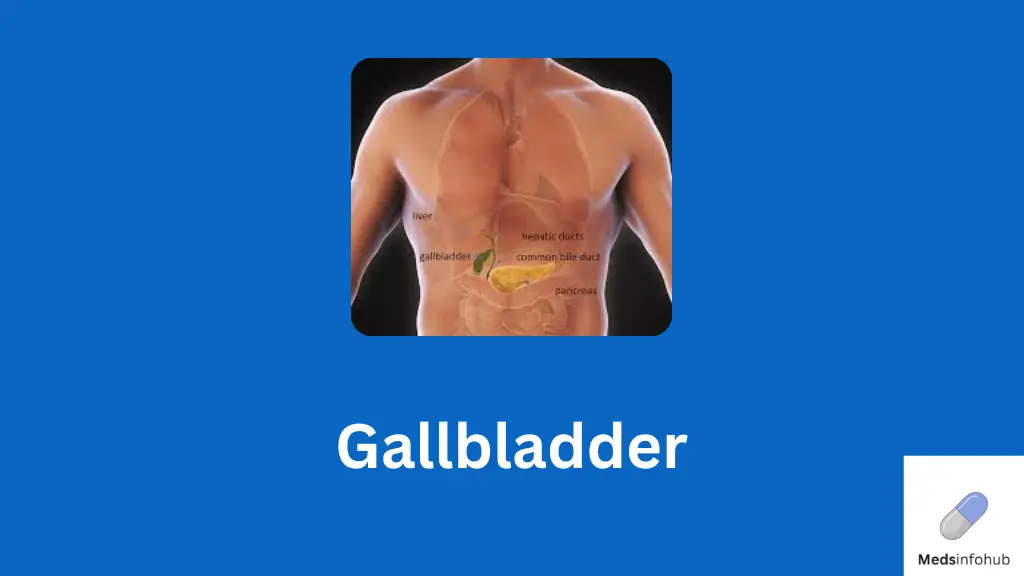
The gallbladder is a small organ with a big role in digestion. Understanding its function, common problems, and ways to maintain gallbladder health can help you prevent complications and stay healthy.
What Is the Gallbladder?
The gallbladder is a small, pear-shaped organ located under the liver on the right side of the abdomen. Despite its size, it plays an important role in the digestive system.
Its primary function is to store and release bile, a digestive fluid made by the liver. Bile helps break down fats in the foods we eat, making nutrients easier to absorb.
You can also read: Sciatic Nerve Pain
How Does the Gallbladder Work?
Storage of Bile
The liver continuously produces bile. The gallbladder stores this bile until it is needed for digestion, especially after eating fatty meals.
Release During Digestion
When you eat, the gallbladder contracts and releases bile into the small intestine through the bile ducts. This helps emulsify fats, allowing the body to absorb fat-soluble vitamins like A, D, E, and K.
Recycling Bile
After bile helps with digestion, most of it is reabsorbed and returned to the liver, a process called the enterohepatic circulation.
Common Gallbladder Problems
Gallbladder issues are fairly common and can cause significant discomfort.
Gallstones (Cholelithiasis)
Gallstones are hardened deposits of bile components, usually cholesterol or bilirubin. They can block bile flow, causing pain, nausea, and digestive issues.
Symptoms include:
- Severe pain in the upper right abdomen
- Nausea or vomiting
- Indigestion after fatty meals
Cholecystitis (Gallbladder Inflammation)
Cholecystitis occurs when the gallbladder becomes inflamed, often due to gallstones. This can lead to sharp abdominal pain, fever, and tenderness in the upper right abdomen.
Biliary Dyskinesia
This is a functional disorder where the gallbladder doesn’t empty properly. It can cause intermittent pain, bloating, and digestive discomfort.
Gallbladder Cancer
Though rare, gallbladder cancer can develop and often goes unnoticed until it is advanced. Symptoms may include unexplained weight loss, abdominal swelling, or jaundice.
Risk Factors for Gallbladder Problems
Certain factors increase the risk of gallbladder issues:
- Age: People over 40 are more prone
- Gender: Women are more likely to develop gallstones
- Obesity: Excess weight can increase cholesterol in bile
- Rapid Weight Loss: Can trigger gallstone formation
- Family History: Genetics play a role
- Pregnancy: Hormonal changes may affect bile composition
Diagnosing Gallbladder Issues
Physical Examination
A doctor may check for abdominal tenderness or pain after meals.
Imaging Tests
- Ultrasound: The most common test to detect gallstones or inflammation
- CT Scan or MRI: Provides detailed images of the gallbladder and bile ducts
- HIDA Scan: Measures gallbladder function and bile flow
Blood Tests
Blood tests can detect infection, inflammation, or liver function abnormalities linked to gallbladder problems.
Treatment Options for Gallbladder Problems
Treatment depends on the severity and type of gallbladder issue.
Lifestyle and Dietary Changes
For mild issues, simple changes can reduce symptoms:
- Eat smaller, low-fat meals
- Avoid greasy, fried, or heavily processed foods
- Maintain a healthy weight and stay active
Medications
Some medications can dissolve small gallstones or relieve pain. However, they are less effective for larger stones and may take months to work.
Surgery (Cholecystectomy)
Surgical removal of the gallbladder is a common treatment for severe cases, especially with gallstones or chronic inflammation.
- Laparoscopic Surgery: Minimally invasive with faster recovery
- Open Surgery: May be necessary for complicated cases
After surgery, bile flows directly from the liver to the small intestine. Most people digest food normally, though very fatty meals may cause temporary discomfort.
Preventing Gallbladder Problems
While some gallbladder issues are unavoidable, you can reduce risk through:
Healthy Eating
- Include fruits, vegetables, whole grains, and lean proteins
- Limit saturated fats and fried foods
- Avoid crash diets and rapid weight loss
Regular Exercise
Exercise helps maintain a healthy weight, improves digestion, and reduces gallstone risk.
Hydration
Drink plenty of water to keep bile fluid and prevent stone formation.
Routine Medical Checkups
Regular checkups help detect early signs of gallbladder problems before complications arise.
When to See a Doctor
Seek medical attention if you experience:
- Severe or persistent pain in the upper right abdomen
- Fever, nausea, or vomiting
- Jaundice (yellowing of skin or eyes)
- Unexplained weight loss or abdominal swelling
Early evaluation can prevent complications and ensure proper treatment.
Final Thoughts
The gallbladder may be small, but its role in digestion is essential. Understanding its function, recognizing symptoms of common issues, and maintaining a healthy lifestyle can help prevent problems.
If you experience persistent abdominal pain or digestive issues, consult a healthcare professional promptly. With proper care and attention, most gallbladder problems are manageable or treatable, and life without a gallbladder can still be healthy and comfortable.
Frequently Asked Questions (FAQs)
Can I live without a gallbladder?
Yes. The body can digest food without a gallbladder. Bile flows directly from the liver to the intestine, though some people may need to adjust their diet temporarily.
Are gallstones always painful?
Not always. Some people have asymptomatic gallstones, which require monitoring but not immediate treatment.
How long is recovery after gallbladder surgery?
Recovery varies by surgery type. Laparoscopic procedures usually allow return to normal activities in 1–2 weeks, while open surgery may take 4–6 weeks.
Can diet prevent gallstones?
A balanced diet with healthy fats, fiber, and regular meals can reduce the risk of gallstone formation.
1 thought on “Gallbladder”