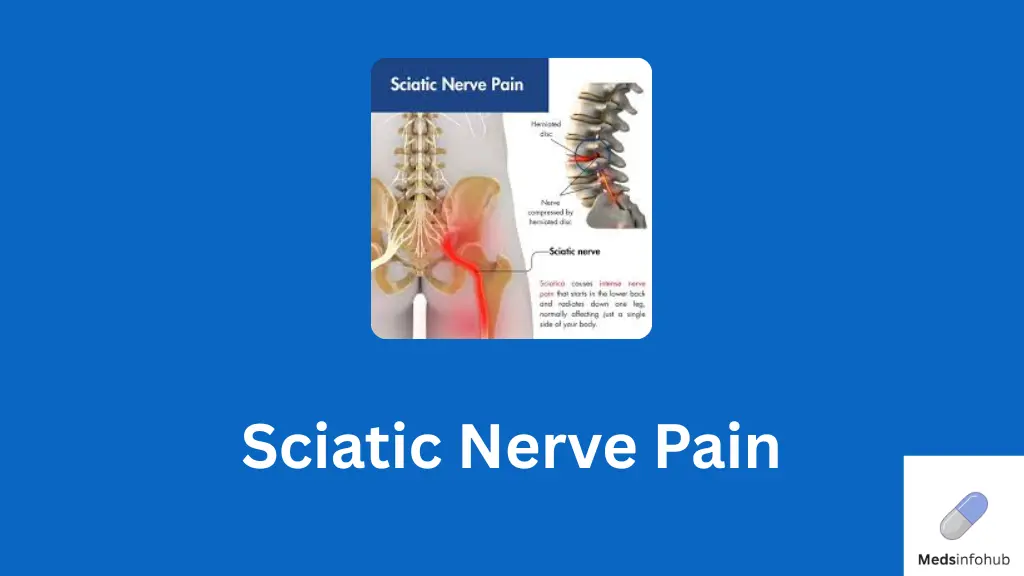
Sciatic nerve pain, or sciatica, is a common condition that causes sharp pain along the lower back, buttocks, and legs. Understanding its causes, symptoms, and treatment options can help you manage discomfort and improve daily life.
What Is Sciatic Nerve Pain?
Sciatic nerve pain occurs when the sciatic nerve—the longest nerve in the body—is compressed or irritated. The sciatic nerve runs from the lower back, through the hips and buttocks, down each leg.
People with sciatic nerve pain often describe sharp, shooting pain, tingling, or numbness along the path of the nerve. While the pain can be intense, it usually affects one side of the body.
You can also read: Keratosis Pilaris
Common Causes of Sciatic Nerve Pain
Herniated or Bulging Discs
One of the most frequent causes is a herniated or bulging disc in the lower spine. This can press against the sciatic nerve, triggering pain in the back and legs.
Spinal Stenosis
Spinal stenosis, a narrowing of the spinal canal, can compress nerves, including the sciatic nerve. This is more common in older adults.
Piriformis Syndrome
The piriformis muscle in the buttocks can irritate the sciatic nerve if it spasms or becomes tight. This condition is called piriformis syndrome.
Injury or Trauma
Accidents, falls, or sports injuries can damage the lower spine or muscles around the sciatic nerve, leading to pain.
Lifestyle Factors
Poor posture, prolonged sitting, obesity, or weak core muscles can increase the risk of sciatic nerve pain.
Symptoms of Sciatic Nerve Pain
Recognizing symptoms is key to managing sciatica effectively. Common signs include:
Sharp or Burning Pain
Pain often starts in the lower back and radiates down the buttock and leg. Some describe it as shooting or electric-like.
Numbness or Tingling
You may feel pins and needles, numbness, or a tingling sensation in the leg or foot.
Muscle Weakness
Compression of the sciatic nerve can cause weakness in the leg, making walking or standing difficult.
Pain Aggravated by Sitting or Movement
Sitting for long periods, coughing, or sneezing can worsen pain along the sciatic nerve.
Diagnosis of Sciatic Nerve Pain
Physical Examination
Doctors often start with a physical exam, testing reflexes, leg strength, and sensation. This helps locate the source of nerve compression.
Imaging Tests
If symptoms are severe or persistent, imaging such as MRI or CT scans can reveal herniated discs or spinal stenosis.
Differential Diagnosis
Other conditions, like hip problems or peripheral neuropathy, can mimic sciatic nerve pain. Proper diagnosis ensures effective treatment.
Treatment Options for Sciatic Nerve Pain
Most cases improve with conservative treatment, though severe cases may require medical intervention.
Home Care
- Rest: Short-term rest can relieve acute pain but avoid prolonged inactivity.
- Ice and Heat Therapy: Ice reduces inflammation, while heat relaxes muscles.
- Over-the-Counter Pain Relief: NSAIDs like ibuprofen can reduce inflammation and discomfort.
Physical Therapy
A structured physical therapy program strengthens core and back muscles, improves flexibility, and reduces pressure on the sciatic nerve.
Exercise and Stretching
Gentle exercises and stretches targeting the lower back, hamstrings, and piriformis muscle can relieve nerve compression and improve mobility.
Medical Interventions
For persistent or severe pain, a doctor may recommend:
- Prescription medications: Stronger pain relievers, muscle relaxants, or anti-inflammatories.
- Corticosteroid injections: Reduce inflammation around the nerve.
- Surgery: Rarely needed but may be considered for herniated discs or spinal stenosis causing severe nerve compression.
Lifestyle Tips to Prevent Sciatic Nerve Pain
Maintain Good Posture
Sit and stand with straight back alignment. Use supportive chairs and avoid slouching.
Exercise Regularly
Core-strengthening exercises and low-impact activities like swimming or walking help support the spine and reduce risk.
Lift Properly
When lifting heavy objects, bend at the knees, not the waist, and keep the load close to your body.
Maintain a Healthy Weight
Excess weight, especially around the abdomen, puts pressure on the lower back and sciatic nerve.
Take Frequent Breaks
If your job involves sitting for long periods, stand and stretch every hour to reduce nerve compression.
When to See a Doctor
Seek medical attention if you experience:
- Severe leg weakness or numbness
- Loss of bladder or bowel control
- Pain that persists beyond a few weeks despite home care
- Sudden, severe pain after an accident
Prompt evaluation can prevent complications and ensure proper treatment.
Final Thoughts
Sciatic nerve pain is a common, often temporary condition that can disrupt daily life. Understanding its causes, recognizing symptoms, and taking proactive steps—like stretching, exercise, and proper posture—can significantly improve comfort and mobility.
Most cases respond well to conservative treatments, and serious complications are rare. If pain persists or worsens, consult a healthcare professional to explore further options.
With the right approach, you can manage sciatic nerve pain effectively and get back to your normal activities with confidence.
Frequently Asked Questions (FAQs)
Can sciatic nerve pain heal on its own?
Mild sciatica often improves within a few weeks with rest, stretching, and home care.
Is surgery always required?
No. Surgery is typically a last resort for severe or persistent cases. Most people recover with conservative treatment.
Can exercise worsen sciatic nerve pain?
Certain movements may aggravate pain. Follow a physical therapy plan and avoid exercises that increase discomfort.
Are there long-term effects of sciatica?
Chronic sciatic nerve pain is possible but uncommon. Early treatment and lifestyle changes reduce long-term risks.
1 thought on “Sciatic Nerve Pain”