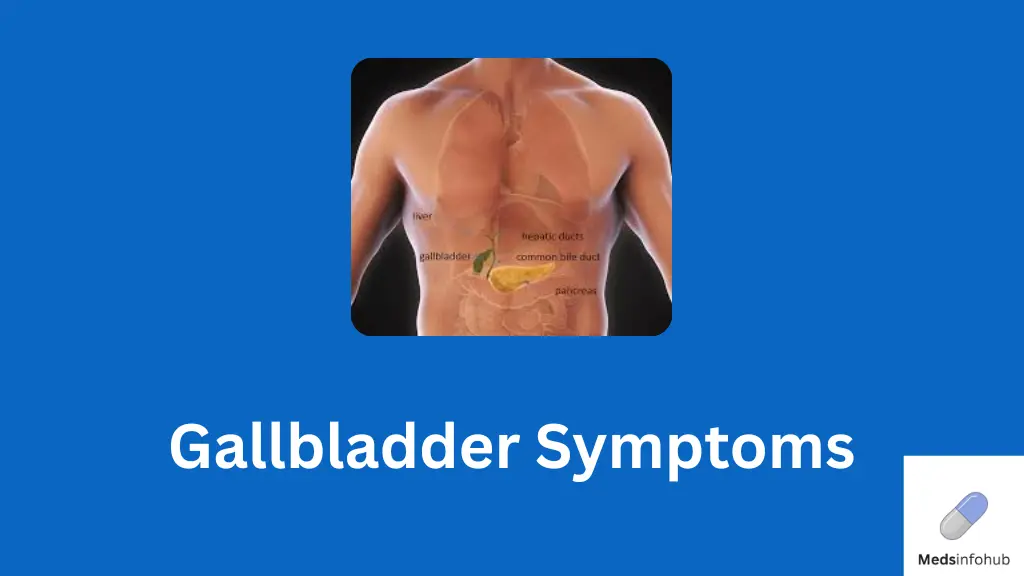
Gallbladder symptoms can range from mild discomfort to severe pain. Recognizing early signs is key to preventing complications. This guide explains the common symptoms, causes, and when to seek medical help.
What Is the Gallbladder?
The gallbladder is a small, pear-shaped organ located beneath the liver. Its main role is to store and release bile, a digestive fluid that helps break down fats in the foods we eat.
Though small, problems with the gallbladder can cause significant discomfort and affect digestion. Recognizing symptoms early can make a big difference in treatment outcomes.
You can also read: Gallbladder
Common Gallbladder Symptoms
Gallbladder symptoms often vary depending on the underlying issue, such as gallstones, inflammation, or infection.
Abdominal Pain
The most common gallbladder symptom is pain in the upper right abdomen.
- Pain may be sharp or cramping
- Often occurs after eating fatty meals
- Can radiate to the right shoulder or back
This type of pain is sometimes called biliary colic and may come and go.
Nausea and Vomiting
Gallbladder problems can trigger nausea, vomiting, or indigestion. These symptoms often worsen after eating rich or greasy foods.
Bloating and Gas
A feeling of fullness, bloating, or excessive gas may accompany gallbladder issues. This happens because bile flow is blocked or slowed, affecting fat digestion.
Fever and Chills
If the gallbladder is inflamed or infected (cholecystitis), you may develop a low-grade fever or chills. These symptoms indicate that you should seek medical attention promptly.
Jaundice
Jaundice is the yellowing of the skin and eyes. It can occur if a gallstone blocks the common bile duct, preventing bile from draining properly.
Dark Urine and Pale Stools
Blocked bile flow can also cause dark urine and pale, clay-colored stools. These are signs of bile accumulation in the body.
Less Common Gallbladder Symptoms
Some symptoms are less obvious but can indicate gallbladder problems:
Heartburn and Acid Reflux
Bile buildup can irritate the digestive tract, causing heartburn or acid reflux.
Shoulder or Back Pain
Pain can radiate to the right shoulder or between the shoulder blades, especially during gallbladder attacks.
Fatigue
Chronic gallbladder issues may lead to low energy or fatigue, as your body struggles to digest fats properly.
Causes of Gallbladder Symptoms
Understanding the root cause can help manage symptoms effectively.
Gallstones
Gallstones are hardened deposits of bile that can block bile flow. They are the most common cause of gallbladder symptoms.
Cholecystitis
This is inflammation of the gallbladder, often caused by gallstones. It can lead to severe pain, fever, and nausea.
Biliary Dyskinesia
A functional disorder where the gallbladder doesn’t empty properly, causing pain and digestive discomfort.
Gallbladder Polyps or Tumors
Though rare, growths in the gallbladder can disrupt bile flow and trigger symptoms.
Risk Factors
Certain factors make gallbladder problems more likely:
- Age: People over 40 are at higher risk
- Gender: Women are more prone, especially during pregnancy or with hormone therapy
- Obesity: Excess weight increases cholesterol in bile, promoting gallstones
- Rapid Weight Loss: Can lead to gallstone formation
- Family History: Genetics play a role in gallbladder health
When to See a Doctor
Seek immediate medical attention if you experience:
- Severe or worsening abdominal pain
- Fever or chills
- Jaundice (yellowing of skin or eyes)
- Persistent nausea or vomiting
- Sudden, unexplained weight loss
Early diagnosis can prevent complications such as gallbladder infection, blockage, or pancreatitis.
Diagnosis of Gallbladder Problems
Physical Examination
A doctor may check for tenderness in the upper right abdomen.
Imaging Tests
- Ultrasound: Detects gallstones and inflammation
- CT Scan or MRI: Provides detailed images of the gallbladder and bile ducts
- HIDA Scan: Measures gallbladder function and bile flow
Blood Tests
Blood tests can identify infection, inflammation, or liver function abnormalities related to gallbladder problems.
Treatment Options
Treatment depends on severity and the underlying cause.
Lifestyle and Dietary Changes
For mild symptoms:
- Eat smaller, low-fat meals
- Avoid greasy, fried, and processed foods
- Maintain a healthy weight
Medications
Some medications may:
- Dissolve small gallstones
- Reduce inflammation and pain
Surgery
Surgical removal of the gallbladder (cholecystectomy) is common for persistent or severe cases:
- Laparoscopic Surgery: Minimally invasive, faster recovery
- Open Surgery: Used for complicated cases
Most people live normally without a gallbladder, though very fatty meals may cause temporary discomfort.
Tips for Preventing Gallbladder Symptoms
- Maintain a healthy diet with fiber-rich foods
- Exercise regularly to manage weight
- Avoid rapid weight loss or crash diets
- Stay hydrated to keep bile fluid and prevent stone formation
- Schedule regular checkups for early detection
Final Thoughts
Gallbladder symptoms can range from mild discomfort to severe, life-impacting pain. Recognizing the signs early—such as abdominal pain, nausea, or jaundice—can help you seek timely medical care.
Most gallbladder problems are manageable with lifestyle changes, medications, or surgery. Paying attention to diet, maintaining a healthy weight, and monitoring your body can go a long way in preventing complications.
Understanding your gallbladder and acting promptly when symptoms appear ensures better digestion, less discomfort, and overall health.
1 thought on “Gallbladder Symptoms”