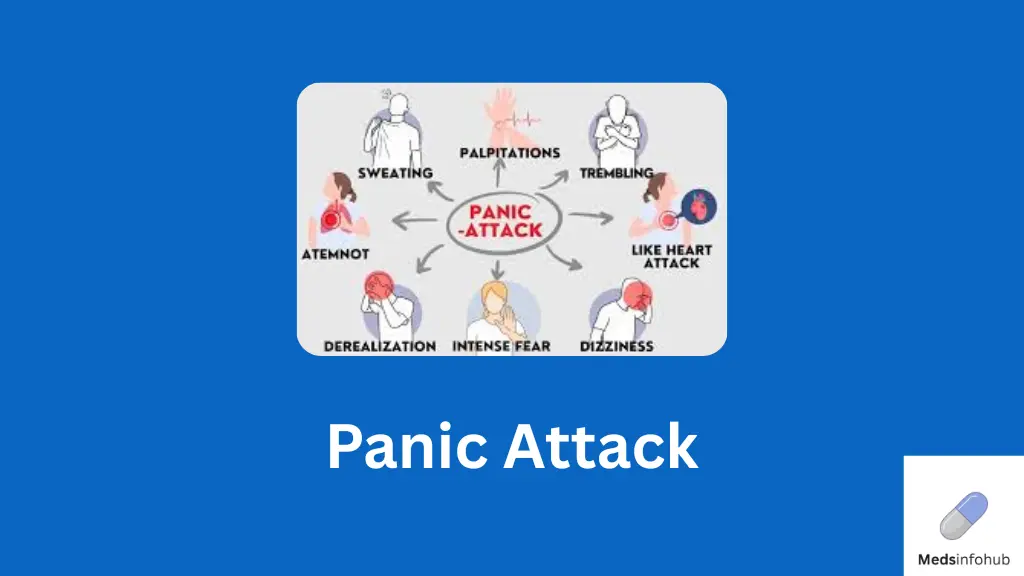
A panic attack is a sudden, intense episode of fear or anxiety that can feel overwhelming. Understanding the symptoms, causes, and coping strategies can help you manage panic attacks and regain control of your life.
Educational info only. Not medical advice. Panic attack symptoms can mimic heart attack. If chest pain/severe symptoms, call 911 immediately. For crisis help: 988 Suicide & Crisis Lifeline.
What Is a Panic Attack?
A panic attack is a sudden surge of intense fear or discomfort that peaks within minutes. It often comes without warning and can happen in any situation.
During a panic attack, the body goes into “fight or flight” mode, releasing stress hormones like adrenaline. This leads to physical symptoms such as racing heart, sweating, and shortness of breath.
Panic attacks are common, and while they are frightening, they are not life-threatening. Understanding them is the first step toward effective management.
You can also read: Electrolytes
Common Symptoms of a Panic Attack
Symptoms can vary, but most panic attacks include a combination of physical and emotional signs:
Physical Symptoms
- Racing or pounding heart
- Shortness of breath or hyperventilation
- Sweating or chills
- Trembling or shaking
- Chest pain or discomfort
- Nausea, dizziness, or lightheadedness
- Numbness or tingling in hands and feet
Emotional Symptoms
- Intense fear of losing control
- Feeling detached from reality (derealization)
- Fear of dying
- Overwhelming sense of doom
Panic attacks usually peak within 10 minutes, though some symptoms may linger for a longer period.
Causes and Triggers of Panic Attacks
The exact cause of panic attacks isn’t fully understood, but several factors can contribute:
Stress
High levels of stress, whether from work, relationships, or major life changes, can trigger panic attacks.
Genetics
Panic attacks and panic disorder may run in families, suggesting a genetic component.
Brain Chemistry
Imbalances in neurotransmitters, such as serotonin and gamma-aminobutyric acid (GABA), may affect anxiety regulation.
Medical Conditions
Certain conditions, like thyroid disorders, heart problems, or respiratory issues, can mimic or trigger panic attacks.
Substance Use
Caffeine, alcohol, or recreational drugs can increase anxiety and trigger panic attacks in sensitive individuals.
Panic Disorder vs. Panic Attack
A panic attack is a single episode of intense fear.
Panic disorder is diagnosed when:
- Panic attacks occur frequently
- There is persistent fear of future attacks
- Daily life is significantly impacted
Understanding the difference helps in seeking the right treatment and support.
Coping Strategies During a Panic Attack
While panic attacks are overwhelming, there are techniques to manage them in the moment.
Focus on Your Breathing
Slow, deep breaths can counteract hyperventilation and calm the body. Try:
- Inhale through the nose for 4 seconds
- Hold for 2 seconds
- Exhale through the mouth for 6 seconds
Ground Yourself
Focus on your surroundings using the 5-4-3-2-1 method:
- 5 things you see
- 4 things you feel
- 3 things you hear
- 2 things you smell
- 1 thing you taste
This helps bring your mind back to the present moment.
Use Positive Self-Talk
Remind yourself:
- “This is a panic attack, it will pass.”
- “I am safe, and I am in control.”
Progressive Muscle Relaxation
Tense and release muscle groups gradually to reduce physical tension and anxiety.
Long-Term Strategies to Prevent Panic Attacks
Therapy
Cognitive-behavioral therapy (CBT) is highly effective for panic attacks. It helps identify triggers and teaches coping strategies.
Medication
Doctors may prescribe:
- Selective serotonin reuptake inhibitors (SSRIs)
- Benzodiazepines for short-term relief
Medication is usually combined with therapy for best results.
Lifestyle Changes
- Regular exercise reduces anxiety and stress
- Limit caffeine and alcohol
- Practice mindfulness or meditation
- Maintain a healthy sleep routine
Support Groups
Talking to others who experience panic attacks can reduce isolation and fear, and provide practical coping tips.
When to Seek Professional Help
Seek medical attention if:
- Panic attacks occur frequently or unpredictably
- Anxiety interferes with daily life
- You have thoughts of self-harm or depression
- Physical symptoms are severe, or you are unsure if it’s a panic attack or a medical emergency
A healthcare professional can rule out other conditions, provide a diagnosis, and recommend effective treatment.
Final Thoughts
Panic attacks are sudden, intense episodes of fear that can disrupt daily life. Understanding the symptoms, causes, and coping strategies helps you manage them effectively.
With therapy, lifestyle changes, and support, panic attacks are manageable and treatable. Remember, you are not alone, and help is available. Learning to recognize triggers and practicing calming techniques can help you regain control and reduce fear over time.
Frequently Asked Questions (FAQs)
Can panic attacks be life-threatening?
No, panic attacks are not life-threatening, but the physical symptoms can feel intense and frightening.
How long does a panic attack last?
Most attacks peak within 10 minutes, though lingering anxiety may persist for 20–30 minutes.
Can children have panic attacks?
Yes, children and adolescents can experience panic attacks. Symptoms may include fear, chest discomfort, or stomachaches.
How can I prevent panic attacks naturally?
Regular exercise, good sleep, stress management, mindfulness, and limiting stimulants can reduce the frequency and intensity of panic attacks.
1 thought on “Panic Attack”