Cipladine Ointment: Uses, Benefits, Directions, and Side Effects
Cipladine ointment is an antiseptic product commonly used to help prevent infection in minor cuts, scrapes, and superficial wounds. It contains povidone-iodine, an antiseptic ingredient that works against a range of microorganisms. If you want to learn about Cipladine ointment uses, how to apply it, and what precautions to take, this guide covers the essential information.
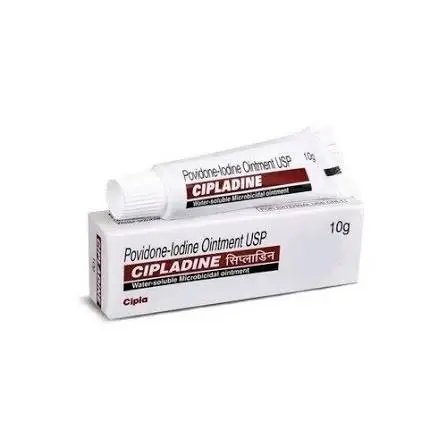
What Is Cipladine Ointment?
Cipladine ointment is a topical antiseptic commonly formulated with povidone-iodine. This ingredient releases iodine, which helps kill or inhibit bacteria and other microorganisms on the skin.
Product formulations and concentrations can vary, so check the label to confirm the ingredients and follow the instructions supplied with your specific product.
Cipladine is intended for external use. It should not replace medical treatment for deep wounds, serious burns, or significant infections.
Cipladine Ointment Uses and Benefits
1. Helps Clean Minor Cuts and Scrapes
One common use of Cipladine ointment is antiseptic care for minor skin injuries. When used as directed, it helps reduce microorganisms on the affected area and may lower the risk of infection.
Clean the wound gently first and follow the product instructions before applying the ointment.
2. Supports Minor Wound Care
Cipladine may be used on certain superficial wounds where an antiseptic is appropriate. Keeping a wound clean and protecting it with a suitable dressing can also support healing.
However, not every wound needs repeated antiseptic application. Follow advice from a healthcare professional if the wound is large, deep, or slow to heal.
3. Helps Protect Minor Skin Injuries From Infection
Povidone-iodine has antiseptic activity against a range of microorganisms. This makes it useful in some situations where reducing germs on the skin is important.
Remember that Cipladine ointment does not treat every skin condition. Rashes, fungal infections, and persistent skin problems may require different treatments.
How to Use Cipladine Ointment
Step-by-Step Application
For a minor wound, follow these general precautions and the instructions on your product label:
- Wash your hands before touching the wound.
- Gently clean the affected area with clean running water.
- Apply the ointment as directed on the packaging or by your healthcare professional.
- Cover the wound with a clean dressing if appropriate.
- Wash your hands after application.
Avoid using more than recommended. Do not put the ointment in your eyes or mouth, and do not swallow it.
Possible Side Effects of Cipladine Ointment
Most people tolerate topical povidone-iodine when they use it appropriately. However, some may experience:
- Mild skin irritation
- Redness or itching
- Dryness or a burning sensation
- Allergic skin reactions
Stop using the product and seek medical advice if irritation becomes severe or the skin reaction worsens.
Who Should Take Precautions?
Ask a healthcare professional before using Cipladine if you have a thyroid disorder, a known allergy to povidone-iodine, or are pregnant or breastfeeding. Seek advice before using it on children, large areas of skin, deep wounds, or serious burns.
Get medical attention for spreading redness, increasing pain, swelling, pus, fever, or a wound that does not heal.
Conclusion
Cipladine ointment is a topical antiseptic that may help with the care of minor cuts, scrapes, and superficial wounds. Correct application and good wound hygiene are important, but serious injuries and signs of infection need professional assessment.
Always check the product label and use Cipladine ointment according to medical advice when needed.