Hadjod: Uses, Benefits, and How to Use This Traditional Herb
Hadjod is a traditional medicinal plant known for its use in Ayurvedic practices. It is commonly associated with bone health and is also known as Cissus quadrangularis. This climbing plant has been used in traditional remedies for generations. Today, many people are interested in Hadjod because of its potential health benefits and natural properties.
In this article, we will explore what Hadjod is, its traditional uses, potential benefits, and important precautions to consider before using it.
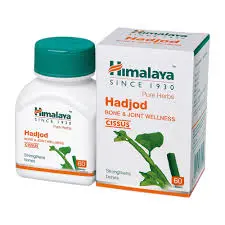
What Is Hadjod?
Hadjod is a succulent climbing plant belonging to the grape family. Its thick, four-sided stems make it easy to recognize. The plant grows in parts of South Asia and other tropical regions.
The name Hadjod is commonly associated with traditional remedies for supporting bones. Different parts of the plant may be used in traditional preparations, including powders, extracts, and other herbal products.
Although Hadjod has a long history in traditional medicine, scientific research on its effectiveness and safety in humans is still limited.
Potential Health Benefits of Hadjod
1. May Support Bone Health
One of the best-known traditional uses of Hadjod is its association with bone health. Some preliminary studies suggest that compounds in Cissus quadrangularis may influence bone-related processes.
However, more high-quality human research is needed to determine whether Hadjod helps fractures heal faster or improves bone strength. It should never replace medical treatment for a broken bone.
2. May Help Support Joint Comfort
Hadjod is sometimes used in traditional wellness practices to support joint comfort and mobility. Researchers have investigated its potential anti-inflammatory properties, but the available evidence is not strong enough to confirm its effectiveness for joint pain or arthritis.
People experiencing persistent joint pain should consult a healthcare professional to identify the underlying cause.
3. Contains Plant Compounds
Hadjod contains various naturally occurring plant compounds, including flavonoids and other phytochemicals. Some of these compounds have shown antioxidant activity in laboratory research.
Antioxidants can help protect cells from oxidative stress. However, laboratory findings do not automatically mean that taking Hadjod supplements provides the same benefits in humans.
4. Studied for Other Health Effects
Researchers have also investigated Hadjod for potential effects on inflammation, metabolism, and body weight. Some early findings are interesting, but the evidence remains limited and does not establish Hadjod as a proven treatment for these concerns.
How Is Hadjod Used?
Hadjod is available in several forms, depending on the manufacturer and traditional preparation method.
- Hadjod powder: Used in some traditional herbal preparations.
- Capsules: Available as dietary supplements.
- Herbal extracts: Concentrated preparations containing plant compounds.
The appropriate amount can vary depending on the product, its concentration, and a person’s health. Follow the product label and seek advice from a qualified healthcare professional rather than choosing a dose yourself.
Side Effects and Precautions
Natural products can still cause side effects. Hadjod may cause digestive discomfort in some people, and its long-term safety is not well established.
Pregnant or breastfeeding individuals, children, and people with existing medical conditions should avoid using Hadjod without professional guidance. People taking prescription medicines should also check for potential interactions with a healthcare professional.
Choose products from reputable manufacturers and do not use Hadjod as a substitute for prescribed medication or medical care.
Conclusion
Hadjod, also known as Cissus quadrangularis, is a traditional herb widely associated with bone health. Its plant compounds have attracted scientific interest, and preliminary research suggests several possible health effects. However, stronger human studies are needed to confirm its benefits and establish its safety.
If you are considering Hadjod for bone or joint health, consult a qualified healthcare professional before adding it to your routine. An informed approach can help you explore traditional remedies while prioritizing your health and safety.