Aspirin Gastro Resistant 75mg Uses, Benefits, and Side Effects
Aspirin gastro resistant 75mg is a low-dose medicine commonly prescribed to help prevent harmful blood clots in certain people. Doctors often recommend it to patients who have experienced a heart attack, an ischemic stroke, or other cardiovascular problems. Understanding aspirin gastro resistant 75mg uses can help you learn why this medicine is prescribed, how it works, and what precautions you should follow.
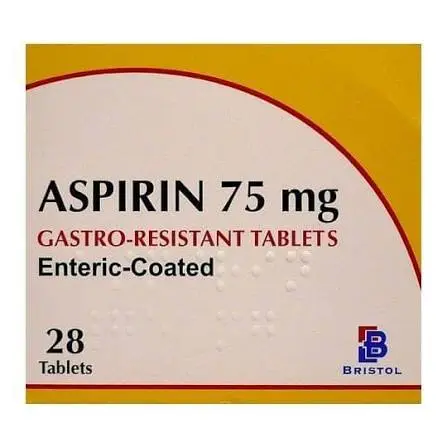
What Is Aspirin Gastro Resistant 75mg?
Aspirin gastro resistant 75mg contains 75 milligrams of aspirin, also known as acetylsalicylic acid. It is designed with a special coating that helps the tablet pass through the stomach before dissolving in the intestine.
Aspirin belongs to a group of medicines called antiplatelet agents when used at low doses. It reduces the ability of platelets to stick together and form blood clots.
The gastro-resistant coating does not eliminate the risk of stomach ulcers or bleeding.
Aspirin Gastro Resistant 75mg Uses
1. Helps Prevent Heart Attacks
One of the main uses of aspirin gastro resistant 75mg is preventing another heart attack in people who have already experienced one. By reducing platelet aggregation, aspirin can lower the chance of certain clots forming in blood vessels.
Doctors may prescribe it as part of a wider treatment plan that includes other medicines and lifestyle changes.
2. Helps Prevent Certain Types of Stroke
Aspirin may help prevent another ischemic stroke or transient ischemic attack (TIA) in selected patients. These conditions can occur when a blood clot blocks blood flow to part of the brain.
However, aspirin is not suitable for every type of stroke. It can be dangerous in some bleeding-related strokes, so medical assessment is essential.
3. Supports Treatment After Certain Heart Procedures
Doctors may prescribe low-dose aspirin after procedures such as coronary stent placement or other treatments for coronary artery disease. In some cases, patients also need another antiplatelet medicine for a specific period.
Never stop aspirin after a heart procedure without speaking to your healthcare professional.
How to Take Aspirin Gastro Resistant 75mg
Take this medicine exactly as prescribed by your doctor. Follow the instructions on the packaging or from your pharmacist.
- Swallow the tablet whole with water.
- Do not crush or chew a gastro-resistant tablet unless a pharmacist confirms that your specific product can be handled that way.
- Take it consistently as directed.
- Do not take extra tablets if you miss a dose; ask your pharmacist or follow the medicine leaflet for instructions.
Do not start daily aspirin for heart protection without medical advice, because the risk of bleeding may outweigh the benefits for some people.
Side Effects of Aspirin Gastro Resistant 75mg
Like other medicines, aspirin can cause side effects. Possible effects include:
- Indigestion or stomach discomfort
- Easy bruising
- Nosebleeds
- Bleeding that takes longer to stop
Serious Side Effects
Seek urgent medical attention if you notice black, tar-like stools, vomit containing blood, severe unusual bleeding, difficulty breathing, or swelling of the face or throat.
Who Should Take Precautions?
Tell your doctor if you have a history of stomach ulcers, bleeding disorders, aspirin allergy, asthma triggered by aspirin, kidney or liver problems, or if you are pregnant.
Also mention medicines such as warfarin, apixaban, clopidogrel, ibuprofen, or other drugs that may increase bleeding risk. Do not combine medicines without professional advice.
Conclusion
The main aspirin gastro resistant 75mg uses involve reducing the risk of certain blood clots, particularly in people with established cardiovascular disease. Although the coating helps the tablet pass through the stomach, it does not remove the risk of bleeding.
Use aspirin only as directed by a healthcare professional, and never stop prescribed treatment without discussing it with your doctor.