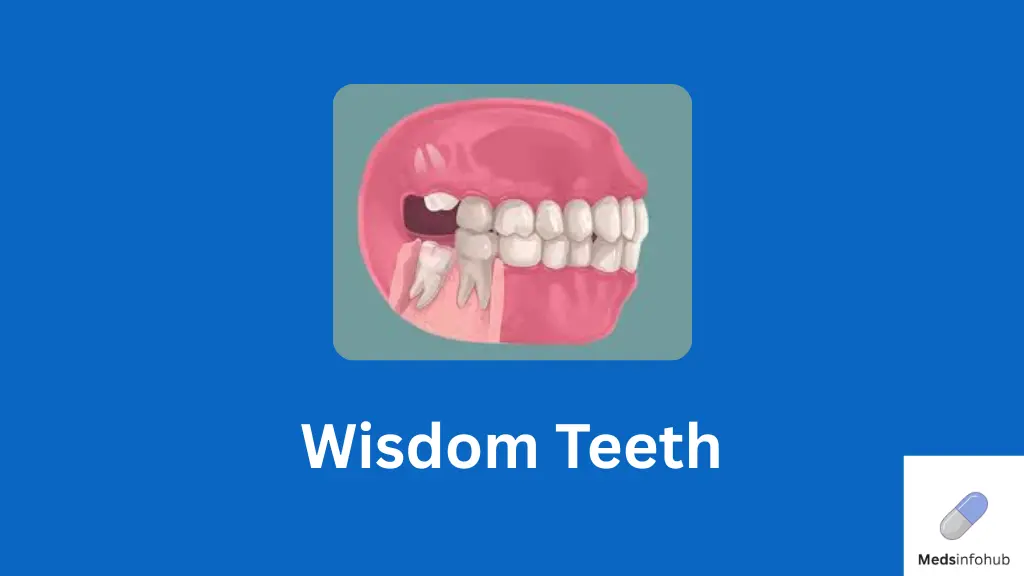
Wisdom teeth, also known as third molars, typically emerge in late teens or early adulthood. Understanding their development, potential issues, and treatment options can help you maintain optimal dental health.
What Are Wisdom Teeth?
Wisdom teeth are the third set of molars located at the back of your mouth. Most people have four wisdom teeth, one in each corner of the mouth, though some may have fewer—or none at all.
They usually appear between the ages of 17 and 25. While some people experience no problems, wisdom teeth can sometimes cause pain, crowding, or infections, requiring careful monitoring by a dentist.
You can also read: United Healthcare
Why Are They Called Wisdom Teeth?
They earned the name “wisdom teeth” because they appear at an age when people are considered old enough to have more wisdom—typically in the late teens or early twenties.
Common Issues with Wisdom Teeth
Wisdom teeth can cause problems if there isn’t enough space in the mouth for them to emerge properly.
Impacted Wisdom Teeth
An impacted tooth is trapped beneath the gums or jawbone. This can lead to:
- Pain or tenderness
- Swelling of the gums
- Infection
Misalignment and Crowding
Wisdom teeth can push against neighboring teeth, causing misalignment or crowding. This may affect bite patterns and overall dental health.
Tooth Decay and Gum Disease
Wisdom teeth are harder to reach during brushing and flossing, increasing the risk of:
- Cavities
- Gum inflammation
- Periodontal disease
Cysts and Damage to Nearby Teeth
In rare cases, fluid-filled sacs called cysts can form around impacted wisdom teeth. If untreated, they may damage surrounding teeth or bone.
Signs You Might Have Wisdom Teeth Problems
- Persistent pain at the back of the mouth
- Swollen or tender gums near molars
- Bad breath or an unpleasant taste in the mouth
- Difficulty opening the jaw or chewing
- Visible crowding or shifting of other teeth
If you notice these symptoms, it’s important to schedule a dental evaluation promptly.
How Wisdom Teeth Are Diagnosed
Dentists use several methods to monitor wisdom teeth:
Physical Examination
Dentists check for swelling, tenderness, or partial eruption of the teeth.
Dental X-Rays
X-rays reveal:
- Position of wisdom teeth
- Impacted or angled teeth
- Potential crowding issues
Symptom Review
Your dentist will ask about pain, discomfort, and oral hygiene habits to determine the best course of action.
Treatment Options for Wisdom Teeth
Treatment depends on whether the teeth are healthy, impacted, or causing problems.
Monitoring
If wisdom teeth are healthy and fully erupted, dentists may recommend routine monitoring and good oral hygiene.
Pain Management
Mild discomfort can be managed with:
- Over-the-counter pain relievers
- Saltwater rinses
- Ice packs to reduce swelling
Extraction
Dentists often recommend removal for:
- Impacted teeth
- Crowding or misalignment
- Infection or cavities
- Cysts or other complications
Extraction can be:
- Simple extraction: Tooth removal with local anesthesia
- Surgical extraction: Involves cutting into gum or bone for impacted teeth
Recovery After Wisdom Teeth Removal
Recovery varies depending on the complexity of the extraction:
Pain and Swelling
Expect mild pain, swelling, and bruising for a few days. Ice packs and prescribed medication can help.
Diet
Soft foods like yogurt, soups, and mashed potatoes are recommended initially. Avoid hard or chewy foods that may irritate the extraction site.
Oral Hygiene
- Rinse gently with saltwater after 24 hours
- Avoid vigorous brushing near extraction site for a few days
- Follow dentist instructions carefully to prevent infection
Follow-Up
A follow-up appointment ensures proper healing and checks for complications like dry socket or infection.
Preventing Wisdom Teeth Problems
While some issues are unavoidable due to jaw size or genetics, you can reduce complications:
- Maintain good oral hygiene with brushing and flossing
- Attend regular dental check-ups
- Avoid tobacco products that impair healing
- Monitor for early signs of pain or swelling
Early detection allows dentists to manage problems before they become severe.
Final Thoughts
Wisdom teeth are a normal part of dental development, but they can cause pain, crowding, or infections if there isn’t enough space in the mouth. Early monitoring, good oral hygiene, and timely consultation with a dentist are key to preventing complications.
If problems arise, treatment options like extraction are safe and effective. Understanding your wisdom teeth and taking proactive care ensures healthy teeth, proper alignment, and a pain-free mouth.
FAQs About Wisdom Teeth
At what age do wisdom teeth come in?
Typically between 17 and 25 years old, but timing varies among individuals.
Do wisdom teeth always need removal?
Not always. If they are healthy, properly aligned, and easy to clean, removal may not be necessary.
Are wisdom teeth extra painful than other teeth?
They can cause more discomfort because they emerge at the back of the mouth, often in a crowded space.
How long does it take to recover from removal?
Simple extractions may heal in a few days, while surgical extractions can take 1–2 weeks for full recovery.
1 thought on “Wisdom Teeth”