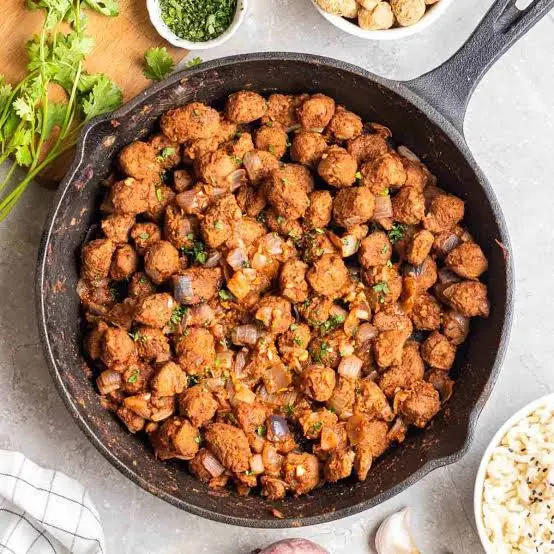
Soya chunks are becoming more popular in everyday diets, especially for people who want a high-protein, budget-friendly, and plant-based food option. They are often used as a meat substitute and can be cooked in many different ways.
Soya chunks are small, dry pieces made from soybeans after oil extraction. When cooked, they become soft, chewy, and absorb flavors very well.
If you are new to them, this guide will help you understand what they are, their benefits, and how to use them in your meals.
You can also read: Is MedsInfoHub Free to Use?
What Are Soya Chunks?
Soya chunks are made from soy flour, which is a byproduct of soybean oil production. The fat is removed, and the remaining protein-rich part is processed into small, dry pieces.
They are also called “soy nuggets” or “textured vegetable protein (TVP).”
When you boil or soak them, they expand in size and take on a meat-like texture, which is why they are widely used in vegetarian and vegan cooking.
They are not only filling but also easy to store for long periods.
Nutritional Value of Soya Chunks
Soya chunks are known for their impressive nutritional profile. They are especially popular among fitness enthusiasts and vegetarians.
High Protein Content
Soya chunks contain one of the highest protein levels among plant foods. This makes them a great alternative to meat.
Protein helps in muscle growth, tissue repair, and overall body strength.
Low in Fat
They are naturally low in fat, especially saturated fat. This makes them suitable for weight management diets.
Rich in Fiber and Minerals
Soya chunks also contain dietary fiber, iron, calcium, and magnesium. These nutrients support digestion, bone health, and energy levels.
Health Benefits of Soya Chunks
Including soya chunks in your diet can offer several health benefits.
Helps in Muscle Building
Because of their high protein content, soya chunks are often used by people who go to the gym or follow strength training programs.
They support muscle repair after workouts and help in recovery.
Supports Weight Management
Soya chunks are filling but low in calories. This combination helps control hunger and reduces unnecessary snacking.
They can be a good addition to weight-loss meal plans.
Good for Heart Health
Soya contains compounds that may help manage cholesterol levels. When included in a balanced diet, they can support cardiovascular health.
Suitable for Vegetarians and Vegans
Since they are plant-based, soya chunks are a complete protein source for people who do not consume meat or animal products.
How to Cook Soya Chunks
Cooking soya chunks is very simple. The key is to hydrate them properly before using them in recipes.
Boil or Soak
Place soya chunks in boiling water for 5–10 minutes. You can also soak them in hot water until they become soft and double in size.
Squeeze Excess Water
After soaking, squeeze out the extra water. This helps improve texture and removes any raw taste.
Cook with Spices
Now you can cook them like meat. Add them to curries, stir-fries, biryani, or even salads.
They absorb spices very well, so the flavor depends on your recipe.
Popular Recipes Using Soya Chunks
Soya chunks are extremely versatile. You can use them in many dishes.
Soya Chunk Curry
This is one of the most common recipes. Cook soya chunks with onions, tomatoes, garlic, and spices for a rich curry.
It goes well with rice or roti.
Soya Biryani
Soya chunks can replace meat in biryani. The texture makes it a great vegetarian alternative.
Stir-Fried Soya Chunks
For a quick meal, sauté soya chunks with vegetables and sauces. It is simple and healthy.
Soya Keema
Crushed soya chunks can be used as a vegetarian version of minced meat. It works well in wraps and sandwiches.
Are Soya Chunks Safe to Eat Daily?
Soya chunks are generally safe when eaten in moderation. However, balance is important.
Eating them every day in large amounts may not be ideal for everyone. It is better to combine them with other protein sources like lentils, beans, and dairy (if you consume it).
People with soy allergies should avoid them completely.
If you have thyroid conditions, it is best to consult a healthcare professional before making soy a regular part of your diet.
Tips for Best Use
Here are a few simple tips to get the best results:
Always Soak Properly
Never cook dry soya chunks directly. Proper soaking improves texture and taste.
Use Strong Flavors
Soya chunks absorb spices well, so use bold flavors like garlic, ginger, chili, and soy sauce.
Don’t Overcook
Overcooking can make them too soft and chewy. Cook just enough to keep a good bite.
Conclusion
Soya chunks are a powerful, affordable, and easy-to-use protein source. They are perfect for vegetarians, fitness lovers, and anyone looking to add more nutrition to their meals.
With simple preparation and endless recipe options, they can easily become a regular part of your diet.
If you are looking for a healthy food that is high in protein and easy to cook, soya chunks are a smart choice.