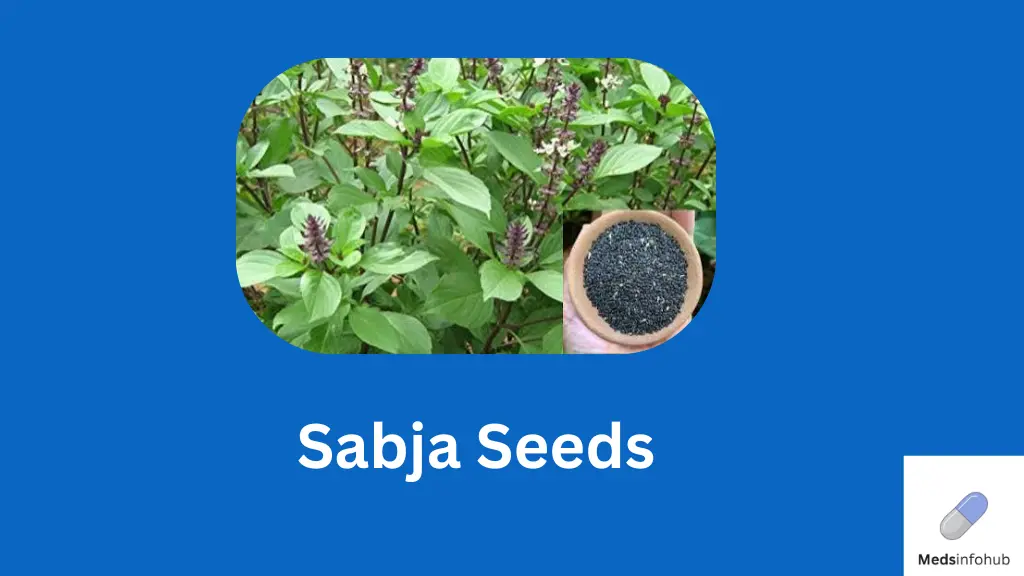
Sabja seeds are a popular natural ingredient used in drinks and desserts, especially in South Asian and Middle Eastern cultures. They are known for their cooling effect on the body and are often used in summer recipes.
Sabja seeds come from the sweet basil plant (Ocimum basilicum). They may look similar to chia seeds, but they behave a bit differently and have their own unique benefits.
This guide explains what sabja seeds are, their health benefits, and how you can use them in daily life.
You can also read: Soya Chunks
What Are Sabja Seeds?
Sabja seeds are tiny black seeds that swell quickly when soaked in water. Within minutes, they form a jelly-like coating around each seed.
They are also known as basil seeds, tukmaria, or falooda seeds in different regions.
Unlike chia seeds, sabja seeds do not need long soaking time. They are ready to use in just 10–15 minutes.
They are commonly added to drinks like falooda, lemonade, milkshakes, and herbal beverages.
Nutritional Value of Sabja Seeds
Sabja seeds are small but packed with nutrients. They are especially known for their fiber content and cooling properties.
Rich in Fiber
Sabja seeds contain a high amount of dietary fiber. This helps improve digestion and supports gut health.
Fiber also helps you feel full for longer, which can help control hunger.
Low in Calories
They are naturally low in calories, making them suitable for weight-conscious diets.
You can enjoy them without worrying about adding extra calories.
Contains Plant Compounds
Sabja seeds contain antioxidants and plant compounds that may support overall wellness and reduce oxidative stress in the body.
Health Benefits of Sabja Seeds
Sabja seeds are widely used in traditional remedies. Let’s explore their main benefits in simple terms.
Helps Cool the Body
One of the most well-known sabja seeds benefits is their cooling effect.
They are often consumed in hot weather to help reduce body heat and provide a refreshing feeling.
This is why they are commonly added to summer drinks.
Supports Digestion
Sabja seeds help improve digestion due to their high fiber content.
They can support smoother bowel movements and reduce issues like bloating and constipation.
When soaked in water, they form a gel that helps move food through the digestive system more easily.
Helps in Weight Management
Sabja seeds are often used in weight-loss diets.
When they swell in water, they expand in the stomach and create a feeling of fullness.
This helps reduce unnecessary eating and supports portion control.
Helps Control Blood Sugar Levels
Sabja seeds may help slow down sugar absorption in the body.
This can support more stable energy levels and help prevent sudden sugar spikes after meals.
They are often included in balanced diets for people monitoring blood sugar.
Good for Skin Health
The antioxidants in sabja seeds may help support healthy skin.
They help fight oxidative stress, which can contribute to dullness and early aging.
Regular consumption, along with a healthy diet, may improve skin hydration and glow.
How to Use Sabja Seeds
Sabja seeds are very easy to prepare and use in different foods and drinks.
Soaking Method
To use sabja seeds, simply soak one teaspoon in a glass of water.
Wait 10–15 minutes until they swell and become gelatinous.
Once ready, they can be added directly to drinks or recipes.
Sabja Lemon Water
One of the most popular ways to use sabja seeds is in lemon water.
Add soaked sabja seeds to chilled lemon water for a refreshing summer drink.
It helps hydrate the body and keeps you cool.
Falooda Drinks
Sabja seeds are a key ingredient in traditional falooda.
They are mixed with milk, rose syrup, and vermicelli to create a rich dessert drink.
Smoothies and Juices
You can also add sabja seeds to smoothies or fruit juices.
They add texture and boost nutritional value without changing the taste.
Sabja Seeds vs Chia Seeds
Many people confuse sabja seeds with chia seeds because they look similar.
However, there are some differences:
- Sabja seeds swell faster than chia seeds
- Sabja seeds are mostly used in drinks and desserts
- Chia seeds are often used in fitness and breakfast meals
- Both are rich in fiber and support digestion
Each has its own benefits, but sabja seeds are especially known for cooling effects.
Are Sabja Seeds Safe to Eat Daily?
Sabja seeds are generally safe when consumed in moderation.
However, drinking enough water is important because they absorb liquid and expand.
Overconsumption may cause digestive discomfort in some people.
People with medical conditions should consult a healthcare professional before adding them daily.
Final Thoughts on Sabja Seeds
Sabja seeds are a simple, affordable, and natural superfood that can easily fit into your daily routine.
They help cool the body, support digestion, and may assist in weight management. Their easy preparation makes them a convenient addition to drinks and desserts.
If you are looking for a natural ingredient that is refreshing and healthy, sabja seeds are a great choice to try.