Plux DT Tablet: Uses, Benefits, Side Effects, and Precautions
Joint pain, swelling, and stiffness can make everyday activities difficult. Doctors may prescribe Plux DT Tablet to help manage pain and inflammation associated with certain joint conditions. It belongs to a group of medicines called non-steroidal anti-inflammatory drugs (NSAIDs).
If you are unfamiliar with this medicine, learning about its ingredients, uses, side effects, and precautions can help you understand your treatment better.
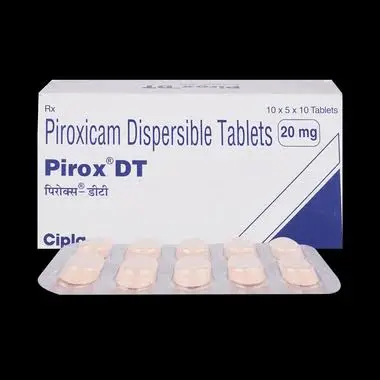
What Is Plux DT Tablet?
Plux DT Tablet is a pain-relieving medicine that commonly contains piroxicam 20 mg. Piroxicam reduces inflammation and pain by blocking certain chemicals called prostaglandins in the body.
The letters DT generally refer to a dispersible tablet formulation. Follow the specific instructions on your medicine’s packaging about how to take it.
Uses and Benefits of Plux DT Tablet
Doctors may prescribe Plux DT Tablet for pain and inflammation associated with different musculoskeletal conditions.
1. Osteoarthritis
Osteoarthritis can cause joint pain, swelling, and stiffness. Plux DT may help reduce these symptoms and make daily movement more comfortable.
2. Rheumatoid Arthritis
Rheumatoid arthritis is an inflammatory condition that affects the joints. Piroxicam may help relieve associated pain and swelling, although it does not stop the underlying disease from progressing.
3. Joint and Muscle Pain
Doctors may prescribe this medicine for selected cases of joint or muscle pain when an anti-inflammatory medicine is appropriate.
4. Ankylosing Spondylitis
This condition causes inflammation, mainly in the spine. Piroxicam may help reduce pain and stiffness in affected patients.
How to Take Plux DT Tablet
Take Plux DT Tablet exactly as prescribed by your doctor. The dose and treatment duration depend on your condition and medical history.
If your product is a dispersible tablet, follow the package instructions about dissolving it in water. Taking it with food may help reduce stomach discomfort.
Do not take extra tablets or combine this medicine with other anti-inflammatory painkillers unless your doctor advises you to do so.
Possible Side Effects of Plux DT Tablet
Like other NSAIDs, Plux DT Tablet can cause side effects. Common examples include:
- Stomach pain or indigestion
- Nausea or vomiting
- Diarrhea or constipation
- Headache
- Dizziness or drowsiness
- Swelling in the body
Seek urgent medical attention if you experience black stools, vomit blood, severe stomach pain, chest pain, difficulty breathing, or sudden weakness. These may indicate serious complications.
Precautions Before Using Plux DT Tablet
Plux DT Tablet may not be suitable for everyone. Discuss your medical history with your doctor before starting treatment.
Important Safety Tips
- Stomach ulcers: Avoid it if you have active stomach ulcers or gastrointestinal bleeding unless your doctor specifically advises otherwise.
- Kidney or liver problems: Inform your doctor if you have kidney or liver disease.
- Heart conditions: Piroxicam may increase the risk of heart attack and stroke, particularly with prolonged use.
- Pregnancy: Avoid using it during pregnancy unless your doctor specifically recommends it. It is particularly important to avoid NSAIDs from 20 weeks of pregnancy onward unless medically directed.
- Other medicines: Tell your doctor if you take blood thinners, aspirin, ibuprofen, naproxen, or blood pressure medicines.
Doctors generally aim to prescribe the lowest effective dose for the shortest appropriate duration.
Conclusion
Plux DT Tablet is a piroxicam-based anti-inflammatory medicine used to relieve pain and swelling associated with conditions such as osteoarthritis and rheumatoid arthritis. It can help improve comfort and mobility, but it also carries important safety risks.
Always use Plux DT Tablet under medical supervision, follow the prescribed instructions, and never increase the dose yourself.