Omee Tablet Uses: Benefits, Dosage, Side Effects, and Precautions
Omee tablet is a medicine commonly associated with the treatment of stomach-related problems, especially conditions caused by excess stomach acid. Many people search for Omee tablet uses to understand how this medicine works, what health problems it treats, and how to take it safely.
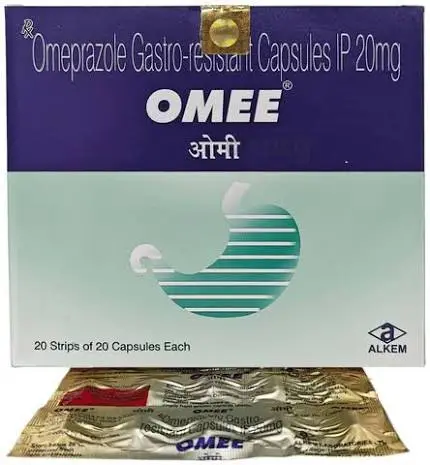
Omee products commonly contain omeprazole, a proton pump inhibitor (PPI) that reduces the amount of acid produced in the stomach. However, always check the product packaging because formulations can vary.
What Is Omee Tablet?
Omee Tablet is a brand name used for acid-reducing medicine. In Alkem Laboratories’ product range, Omee 150 mg contains ranitidine 150 mg, which belongs to a group of medicines called H2-receptor blockers. It works by reducing stomach acid production. Apollo Pharmacy+1
It is important not to confuse Omee 150 mg tablets with Ommee 20 mg capsules, which contain omeprazole and are a different product.
Omee Tablet Uses
Doctors may prescribe Omee tablets for several acid-related stomach conditions.
1. Treatment of Acidity and Heartburn
Omee may help reduce excessive stomach acid that causes acidity and a burning sensation in the chest or upper stomach.
2. Gastroesophageal Reflux Disease (GERD)
GERD occurs when stomach acid flows back into the food pipe. This can cause heartburn, sour taste, and discomfort. Acid-reducing treatment can help manage these symptoms.
3. Stomach Ulcers
Omee may be used to treat stomach ulcers, which develop when the protective lining of the stomach becomes damaged.
4. Duodenal Ulcers
Duodenal ulcers develop in the upper part of the small intestine. By reducing stomach acid, ranitidine can help relieve irritation and support ulcer healing.
5. Acid-Related Digestive Problems
Doctors may also prescribe acid-reducing medicines for certain digestive problems associated with excessive stomach acid. Apollo Pharmacy+1
How Does Omee Tablet Work?
Omee 150 mg contains ranitidine, which blocks histamine H2 receptors in the stomach. These receptors normally stimulate acid production.
By blocking them, the medicine reduces the amount of acid released into the stomach. This helps relieve acid-related discomfort and gives irritated tissues an opportunity to heal.
Omee Tablet Dosage and How to Take It
The correct dosage depends on the patient’s age, medical condition, and symptoms. Doctors determine how much medicine a person needs.
Follow these general precautions:
- Take the medicine according to your doctor’s instructions.
- Swallow the tablet with water.
- Do not increase the dose without medical advice.
- Follow the prescribed treatment duration.
- Ask your pharmacist whether the particular product is suitable for you.
Never use an old prescription to treat new symptoms without consulting a healthcare professional.
Possible Side Effects of Omee Tablet
Like other medicines, Omee may cause side effects in some people.
Commonly reported side effects of ranitidine include:
- Headache
- Nausea
- Diarrhoea or constipation
- Stomach discomfort
- Dizziness
Most mild side effects may improve with time. However, seek medical attention if you experience severe allergic reactions, unusual symptoms, or persistent discomfort.
Precautions Before Using Omee Tablet
Before taking Omee, discuss your medical history with your doctor.
Consider these precautions:
- Kidney problems: People with kidney conditions may need special medical advice or dosage adjustments.
- Pregnancy: Pregnant women should consult their doctors before using this medicine.
- Breastfeeding: Ask a healthcare professional whether it is suitable during breastfeeding.
- Other medicines: Tell your doctor about all medicines and supplements you take.
- Allergies: Avoid the medicine if you have a known allergy to its ingredients.
Also, check the current registration and availability of ranitidine products with a licensed pharmacist, as regulatory status can vary by country.
Frequently Asked Questions
What is Omee tablet used for?
Omee 150 mg contains ranitidine and may be prescribed for acidity, heartburn, GERD, and stomach or duodenal ulcers.
Can Omee tablet help with acidity?
Yes. Ranitidine reduces stomach acid production and can help relieve acid-related symptoms.
Is Omee tablet an antibiotic?
No. Omee 150 mg is an acid-reducing medicine, not an antibiotic.
Can I take Omee tablet daily?
Take it daily only if your doctor recommends it. The correct treatment duration depends on your condition.
Conclusion
Understanding Omee tablet uses can help you learn about its role in managing acidity, heartburn, acid reflux, and stomach ulcers. Omee 150 mg contains ranitidine, which works by reducing stomach acid production. However, different products can have similar names but different ingredients. Always check the packaging and consult a qualified healthcare professional before using this medicine.