Levolin Syrup: Uses, Benefits, Dosage, and Side Effects
Levolin syrup is a medicine used to help relieve breathing difficulties caused by narrowing of the airways. Doctors may prescribe it for conditions such as asthma or other respiratory problems involving bronchospasm. Understanding how Levolin syrup works, its possible side effects, and the precautions to follow can help patients and caregivers use it safely.
In this article, we explain the common uses of Levolin syrup and important information for people who are unfamiliar with this medicine.
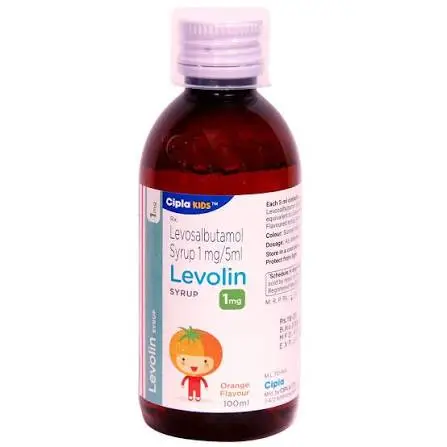
What Is Levolin Syrup?
Levolin syrup commonly contains levosalbutamol, also known as levalbuterol in some countries. It belongs to a group of medicines called bronchodilators.
Bronchodilators help relax the muscles surrounding the airways, making it easier for air to move into and out of the lungs. Always check the product label to confirm the active ingredient and strength of your particular formulation.
Levolin Syrup Uses
Doctors may prescribe Levolin syrup to help manage respiratory symptoms associated with reversible narrowing of the airways.
1. Relief From Wheezing
Wheezing is a whistling sound that occurs during breathing when air passes through narrowed airways. Levolin may help relax the airway muscles and relieve wheezing caused by bronchospasm.
However, wheezing can have several causes, so a healthcare professional should assess persistent or severe symptoms.
2. Management of Breathing Difficulties
People with asthma or certain other respiratory conditions may experience tightness in the chest and difficulty breathing. Levolin can help open narrowed airways when bronchospasm is responsible for these symptoms.
Severe breathing difficulty requires urgent medical attention. Do not rely on syrup alone during a serious asthma attack.
3. Relief From Bronchospasm
Bronchospasm occurs when muscles around the airways tighten, reducing airflow. Levolin works by stimulating beta-2 receptors in the airway muscles, helping them relax.
It relieves symptoms but does not cure asthma or treat the underlying airway inflammation.
How to Take Levolin Syrup
Follow Your Doctor’s Instructions
The correct dose depends on the patient’s age, the syrup’s concentration, and the severity of the condition. Follow your doctor’s prescription and measure each dose using an appropriate medicine-measuring device.
Do not increase the dose or give the syrup to another person. Children should receive it only under appropriate medical guidance.
If symptoms continue despite treatment, consult your doctor instead of taking additional doses.
Possible Side Effects of Levolin Syrup
Like other bronchodilators, Levolin syrup can cause side effects. These may include:
- Shaking or trembling
- Headache
- Fast heartbeat
- Nervousness or restlessness
- Muscle cramps
- Dizziness
Some people may experience a noticeable increase in heart rate. Seek urgent medical attention if you develop chest pain, a severe or irregular heartbeat, or worsening breathing difficulties.
Tell your doctor if you have heart disease, high blood pressure, thyroid problems, diabetes, or low potassium levels before using this medicine.
Precautions When Using Levolin Syrup
Use Levolin only as prescribed. Tell your healthcare professional about other medicines you take, especially other bronchodilators or medicines that may affect heart rate.
Pregnant or breastfeeding individuals should seek medical advice before using it. Store the syrup according to the label and keep it out of children’s reach.
Conclusion
Levolin syrup is a bronchodilator that may help relieve wheezing and breathing difficulties caused by narrowed airways. Its suitability and dosage depend on the patient’s age, symptoms, and medical history.
For safe treatment, follow your doctor’s instructions, understand the possible side effects, and seek prompt medical care if breathing problems become severe or worsen.