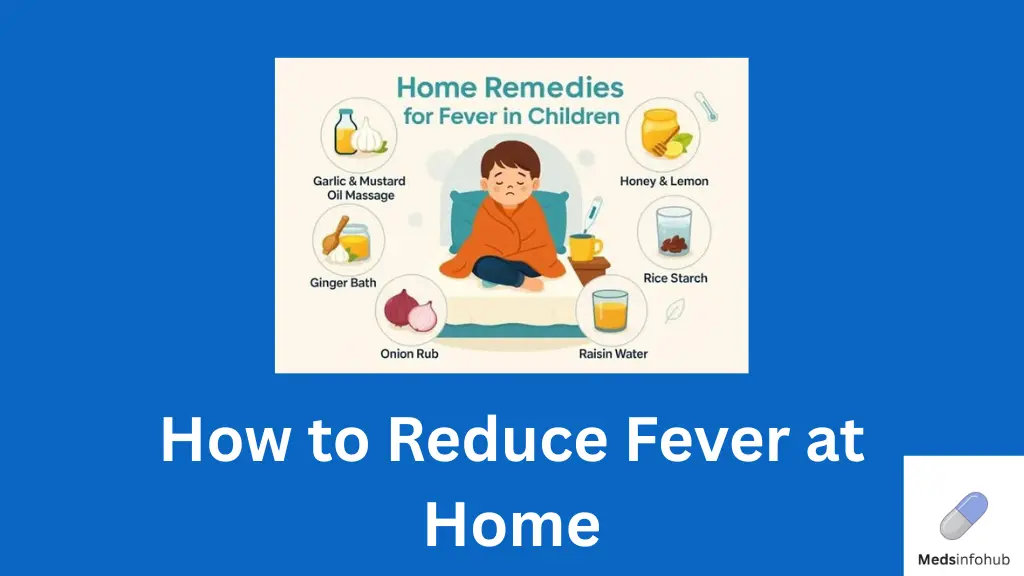
A fever is one of the body’s natural defense mechanisms against infection. While it can feel uncomfortable, a mild to moderate fever often helps your immune system fight viruses and bacteria. In many cases, you can safely manage a fever at home with rest, fluids, and simple self-care measures.
In this Fever Meds Info Hub guide, you’ll learn what a fever is, its common causes, safe home remedies, when to use medication, and when it’s important to seek medical care. Whether you’re caring for yourself or a family member, this guide offers practical tips to help you manage a fever safely.
You can also read: What Causes High Blood Pressure?
What Is a Fever?
A fever is a temporary rise in body temperature, usually caused by your body’s response to an infection or illness. For most adults, a body temperature of 100.4°F (38°C) or higher is generally considered a fever.
Fever itself is not a disease. Instead, it is a symptom that signals your immune system is working to fight an underlying problem.
Common Causes of Fever
Many different conditions can cause a fever.
Common causes include:
- Viral infections such as the common cold or influenza
- Bacterial infections
- COVID-19 and other respiratory illnesses
- Ear infections
- Urinary tract infections (UTIs)
- Strep throat
- Sinus infections
- Food poisoning
- Heat exhaustion
- Certain vaccinations may cause a short-term fever as part of the body’s immune response
The treatment depends on the underlying cause rather than the fever alone.
Common Symptoms That May Accompany a Fever
People with a fever often experience additional symptoms.
These may include:
- Chills
- Sweating
- Headache
- Muscle aches
- Fatigue
- Weakness
- Loss of appetite
- Dehydration
- Feeling warm to the touch
The severity of symptoms varies depending on the illness causing the fever.
How to Reduce Fever at Home
Most mild fevers improve within a few days with proper home care.
Stay Hydrated
Fever causes your body to lose fluids through sweating, increasing the risk of dehydration.
Drink plenty of:
- Water
- Oral rehydration solutions if needed
- Clear soups or broths
- Herbal tea
- Ice pops for children who can safely eat them
Avoid excessive alcohol, as it can contribute to dehydration.
Get Plenty of Rest
Your body needs extra energy to fight infection.
Take time to rest and avoid strenuous exercise until you begin to feel better.
Adequate sleep also supports your immune system.
Wear Lightweight Clothing
Heavy blankets and thick clothing can trap heat and make you feel more uncomfortable.
Instead:
- Wear light, breathable clothing.
- Keep the room comfortably cool.
- Use a lightweight blanket only if you have chills.
Avoid making the room too cold, which may worsen shivering.
Eat Light, Nutritious Meals
You may not feel hungry during a fever, but your body still needs nutrients.
Choose foods that are easy to digest, such as:
- Soup
- Oatmeal
- Rice
- Bananas
- Applesauce
- Yogurt
- Toast
Eat small meals if your appetite is reduced.
Use a Lukewarm Sponge Bath
A lukewarm sponge bath may help improve comfort for some people with a fever.
Avoid:
- Ice baths
- Very cold water
- Rubbing alcohol on the skin
Cold water can trigger shivering, which may temporarily raise body temperature.
Can Medication Help?
If a fever is causing significant discomfort, over-the-counter fever-reducing medications may help.
Common options include:
- Acetaminophen (paracetamol)
- Ibuprofen (appropriate for many adults and children over certain ages, following label directions)
Always:
- Follow the recommended dosage.
- Read the medicine label carefully.
- Consult a healthcare provider if you have liver disease, kidney disease, stomach ulcers, or other medical conditions.
Do not give aspirin to children or teenagers with a viral illness unless specifically advised by a healthcare professional because of the risk of Reye’s syndrome, a rare but serious condition.
Home Remedies That May Improve Comfort
Although home remedies do not cure the underlying illness, they can help you feel better while your body recovers.
Warm Herbal Tea
Herbal teas such as chamomile or ginger tea may provide comfort, soothe the throat, and help maintain hydration.
Warm Soup
Chicken soup and vegetable broth provide fluids, electrolytes, and easy-to-digest nutrition.
Humidifier
If your fever is accompanied by congestion or a sore throat, using a cool-mist humidifier may improve comfort by adding moisture to the air.
Gargle With Warm Salt Water
If a sore throat accompanies your fever, gargling with warm salt water several times a day may help reduce irritation.
What Should You Avoid?
When you have a fever, avoid habits that may slow recovery.
These include:
- Drinking excessive alcohol
- Smoking
- Overexertion
- Skipping fluids
- Wearing heavy clothing
- Taking antibiotics without a prescription or medical advice
- Doubling medication doses
Using medications appropriately is important for safe recovery.
When Should You See a Doctor?
While many fevers can be managed at home, some situations require medical evaluation.
Seek medical care if:
- A fever lasts more than two to three days in an adult without improvement.
- Your temperature is very high (for example, above 103°F or 39.4°C in an adult).
- You have difficulty breathing.
- You experience severe chest pain.
- You have persistent vomiting or signs of severe dehydration.
- You develop confusion, unusual drowsiness, or difficulty waking up.
- You have a seizure.
- You have a stiff neck, severe headache, or a rash.
- An infant younger than 3 months has a fever of 100.4°F (38°C) or higher.
If you’re unsure about the severity of a fever, it’s always safest to contact a healthcare provider.
Tips to Prevent Fever-Causing Infections
You cannot prevent every illness, but healthy habits can lower your risk.
Follow these simple tips:
- Wash your hands regularly.
- Stay up to date with recommended vaccinations.
- Avoid close contact with people who are sick.
- Cover your mouth and nose when coughing or sneezing.
- Clean frequently touched surfaces.
- Eat a balanced diet.
- Exercise regularly.
- Get enough sleep.
- Stay hydrated.
A healthy immune system is one of your best defenses against infection.
Frequently Asked Questions
Is a fever always dangerous?
No. A mild or moderate fever is often a normal response to infection and helps the body fight germs. The seriousness depends on the underlying cause and associated symptoms.
Should I always try to reduce a fever?
Not necessarily. If the fever is mild and you’re otherwise comfortable, treatment may not be needed. The goal is often to improve comfort rather than normalize body temperature. Consult a healthcare provider if you have concerns.
Can dehydration make a fever worse?
Yes. Fever increases fluid loss through sweating, so staying hydrated is an important part of home care.
Do antibiotics treat every fever?
No. Antibiotics only work against bacterial infections. They do not treat viral illnesses such as the common cold, influenza, or many other viral infections.
Conclusion
A fever is usually a sign that your immune system is doing its job. Most mild fevers can be managed safely at home with rest, hydration, lightweight clothing, nutritious foods, and appropriate use of fever-reducing medication when needed.
This Fever Meds Info Hub guide emphasizes practical home care while reminding readers to watch for warning signs that require medical attention. By understanding the causes of fever, following healthy recovery habits, and seeking medical advice when necessary, you can support faster recovery and protect your overall health.