Gabapin NT: Uses, Benefits, Dosage, and Side Effects
Gabapin NT is a prescription medicine used to manage certain types of nerve pain. Doctors may prescribe it for conditions that cause burning, tingling, shooting pain, or unusual sensations in different parts of the body. Understanding how Gabapin NT works, its possible benefits, and its side effects can help patients use it more safely.
In this article, we will explore the common uses of Gabapin NT, how to take it, and the precautions to consider before starting treatment.
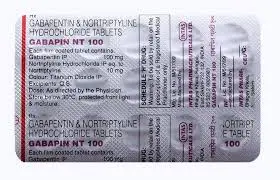
What Is Gabapin NT?
Gabapin NT is a brand of combination medicine commonly associated with gabapentin and nortriptyline. However, the exact ingredients and strengths can vary by product, so always check the packaging or prescription.
- Gabapentin: Helps reduce abnormal nerve signaling associated with certain types of nerve pain.
- Nortriptyline: A tricyclic antidepressant that can also help manage some forms of chronic nerve pain.
Together, these medicines may help reduce nerve-related discomfort when prescribed for an appropriate condition.
What Are the Uses of Gabapin NT?
Doctors may prescribe Gabapin NT for certain neuropathic pain conditions. Its suitability depends on the cause of the pain and the patient’s medical history.
1. Management of Nerve Pain
Nerve pain can feel like burning, electric shocks, pins and needles, or sharp shooting sensations. Gabapin NT may help reduce these symptoms and improve daily comfort.
2. Diabetic Neuropathy
Some people with diabetes develop nerve damage, particularly in their feet and legs. This condition, known as diabetic neuropathy, can cause pain, tingling, numbness, or burning sensations. A doctor may prescribe medicines such as Gabapin NT to help manage painful symptoms.
3. Other Neuropathic Conditions
Depending on the diagnosis, doctors may consider this combination for other forms of nerve pain. It is not suitable for every type of pain, and treatment should target the underlying condition whenever possible.
How Does Gabapin NT Work?
Gabapin NT contains medicines that act on the nervous system in different ways. Gabapentin helps regulate nerve signaling, while nortriptyline influences certain chemical messengers involved in pain processing.
This combination may reduce the intensity of nerve pain over time. However, the response varies from person to person, and the medicine may take time to provide noticeable relief.
How to Take Gabapin NT
Follow Your Doctor’s Instructions
Take Gabapin NT exactly as prescribed. The appropriate dose and timing depend on the product’s strength, your condition, other medicines, and your response to treatment.
Do not increase the dose or take extra tablets if your symptoms continue. Do not stop taking it suddenly without medical advice, especially if you have been using it regularly.
Possible Side Effects of Gabapin NT
Like other prescription medicines, Gabapin NT can cause side effects. Commonly reported effects may include:
- Drowsiness or sleepiness
- Dizziness
- Dry mouth
- Constipation
- Blurred vision
- Difficulty concentrating
Avoid driving or operating machinery if you feel sleepy or dizzy. Alcohol and other sedating medicines may increase these effects.
Seek urgent medical attention if you experience difficulty breathing, severe confusion, fainting, or swelling of the face or throat. Mood changes or thoughts of self-harm also require prompt medical attention.
Precautions Before Using Gabapin NT
Tell your doctor if you have kidney or heart problems, glaucoma, difficulty urinating, or a history of mood disorders. Also disclose all medicines and supplements you take.
Gabapentin can require dose adjustment in people with reduced kidney function. Combining it with opioids or other medicines that cause sedation can increase the risk of serious breathing problems.
Pregnant or breastfeeding individuals should consult a healthcare professional before using Gabapin NT.
Conclusion
Gabapin NT may help manage certain types of nerve pain by combining medicines that affect nerve signaling and pain processing. However, it is not suitable for everyone and should only be used under medical supervision.
For the best results, follow your prescription, understand possible side effects, and attend recommended follow-up appointments. If nerve pain persists or worsens, consult your doctor to review your treatment options.