Ecosprin 75: Uses, Benefits, Side Effects, and Precautions
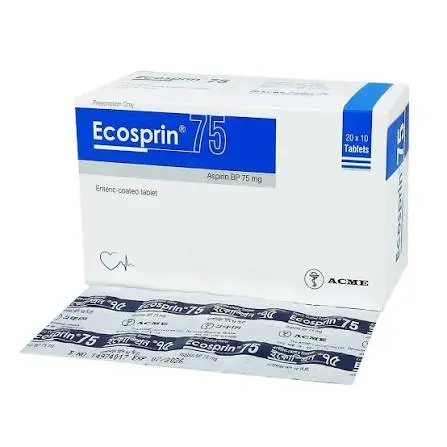
Ecosprin 75 is a commonly prescribed medicine that helps reduce the risk of blood clots. Its active ingredient is aspirin (75 mg), which belongs to a group of medicines called antiplatelet drugs. Doctors may recommend it to people who have certain heart or blood vessel conditions.
If you are unfamiliar with Ecosprin 75, this guide explains how it works, why doctors prescribe it, and what precautions you should know before taking it.
What Is Ecosprin 75?
Ecosprin 75 contains 75 mg of low-dose aspirin. It works by reducing the ability of platelets to stick together and form clots.
Blood clots can block blood flow to the heart or brain. In some patients, preventing these clots can lower the risk of serious cardiovascular events, such as a heart attack or an ischemic stroke.
Ecosprin 75 is not suitable for everyone and should be taken only when recommended by a healthcare professional.
Uses and Benefits of Ecosprin 75
Doctors may prescribe Ecosprin 75 for specific cardiovascular conditions.
1. Helps Prevent Blood Clots
Ecosprin 75 makes platelets less likely to clump together. This helps reduce clot formation in people who need antiplatelet treatment.
2. Reduces the Risk of Another Heart Attack
After a heart attack, doctors may prescribe low-dose aspirin to help prevent another event, depending on the patient’s condition and treatment plan.
3. Helps Prevent Certain Types of Stroke
It may be prescribed to reduce the risk of another ischemic stroke or transient ischemic attack (TIA). It does not prevent every type of stroke.
4. Supports Treatment After Certain Heart Procedures
Doctors may recommend aspirin after procedures such as coronary stent placement. It may be used alongside other antiplatelet medicines for a specific period.
How Does Ecosprin 75 Work?
Platelets are tiny blood components that help stop bleeding by forming clots. Aspirin reduces the activity of an enzyme involved in platelet activation.
As a result, platelets become less likely to stick together. This effect lasts for the remaining life of each affected platelet, which is around seven to ten days.
Possible Side Effects of Ecosprin 75
Like other medicines, Ecosprin 75 can cause side effects. Some people experience no noticeable problems, while others may develop:
- Stomach discomfort or indigestion
- Nausea
- Heartburn
- Easy bruising
- Bleeding that takes longer to stop
Seek urgent medical attention if you notice black, tar-like stools, vomit containing blood, unusual heavy bleeding, severe allergic symptoms, or a sudden severe headache.
Precautions Before Taking Ecosprin 75
Before using Ecosprin 75, tell your doctor if you:
- Have a history of stomach ulcers or bleeding.
- Have aspirin or other NSAID allergies.
- Have a bleeding disorder.
- Have kidney or liver problems.
- Are pregnant, planning pregnancy, or breastfeeding.
- Take blood thinners, other antiplatelet medicines, or regular painkillers such as ibuprofen.
Do not start Ecosprin 75 on your own. Also, do not stop prescribed aspirin without medical advice, because stopping it may increase clot-related risks in some patients.
How Should You Take Ecosprin 75?
Follow your doctor’s instructions and the directions on the medicine pack. Swallow the tablet as directed. If it is an enteric-coated tablet, do not crush or chew it unless a healthcare professional tells you otherwise.
If you miss a dose, ask your doctor or pharmacist what to do. Do not take an extra dose to make up for a missed one.
Conclusion
Ecosprin 75 is a low-dose aspirin medicine used to reduce blood clot formation in people with certain cardiovascular conditions. It can help prevent further heart attacks or ischemic strokes in appropriately selected patients. However, it can also increase bleeding risk. Use it only under medical guidance, understand its side effects, and never change your treatment without consulting your doctor.