Ashokarishta: Uses, Benefits, Ingredients, and Side Effects
Ashokarishta is a traditional Ayurvedic herbal preparation commonly used for women’s health concerns. It is particularly associated with menstrual health and digestive support. Made from Ashoka tree bark and several supporting herbs, this fermented liquid formulation has been used in Ayurveda for generations.
Many people search for Ashokarishta to understand its possible benefits, ingredients, and safety. Here is a simple guide to help you learn more.
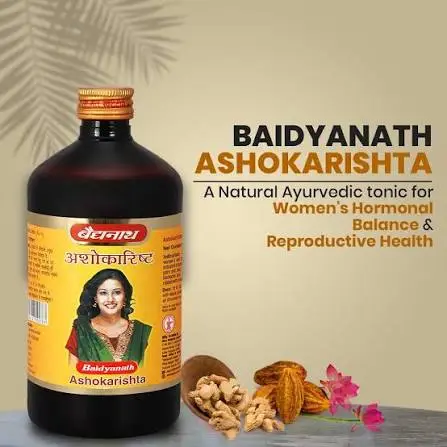
What Is Ashokarishta?
Ashokarishta is a classical Ayurvedic formulation prepared using Ashoka bark (Saraca asoca), jaggery, and other medicinal herbs. It is made through a natural fermentation process, which produces a small amount of alcohol.
In traditional Ayurvedic practice, Ashokarishta is mainly used to support women’s reproductive health. However, scientific research confirming its effectiveness for specific medical conditions is still limited.
Ashokarishta Ingredients
The exact composition may vary between manufacturers, but common ingredients include:
- Ashoka: The main herb traditionally associated with menstrual and uterine health.
- Dhataki: A flower used in the fermentation process.
- Amalaki: Also known as Indian gooseberry, traditionally valued for its antioxidant properties.
- Haritaki: An Ayurvedic herb commonly used for digestive support.
- Bibhitaki: Another traditional ingredient associated with digestive wellness.
- Musta and Sunthi: Herbs traditionally included to support digestion.
Always check the product label because ingredients and concentrations can differ between brands.
Traditional Uses and Benefits of Ashokarishta
1. Supports Menstrual Health
Ashokarishta is traditionally used for certain menstrual complaints, including irregular periods and excessive menstrual bleeding. However, strong clinical evidence has not established that it can reliably treat these problems.
2. May Help With Menstrual Discomfort
Some people use Ashokarishta as part of traditional Ayurvedic care for menstrual cramps and abdominal discomfort. Persistent or severe pain should be assessed by a healthcare professional.
3. Supports Digestive Health
Certain herbs in this formulation are traditionally used to support digestion and appetite. Individual results may vary, and it should not replace treatment for ongoing digestive problems.
4. Traditionally Used Around Menopause
Ashokarishta is also used in Ayurvedic practice for some concerns associated with menopause. However, there is not enough reliable clinical evidence to confirm its effectiveness for menopausal symptoms.
How to Take Ashokarishta
Ashokarishta is generally available as a liquid preparation. The appropriate amount depends on the manufacturer, formulation, and individual’s health needs.
Follow the product label or the instructions of a qualified Ayurvedic practitioner. Do not increase the amount or use it for extended periods without professional guidance.
Possible Side Effects and Precautions
Ashokarishta may cause stomach discomfort, nausea, bloating, or loose stools in some people. Allergic reactions are also possible.
Keep these precautions in mind:
- Avoid using Ashokarishta during pregnancy unless a qualified doctor specifically advises otherwise.
- Ask a healthcare professional before using it while breastfeeding.
- People with liver disease or diabetes should seek medical advice before taking it.
- The fermentation process produces alcohol, so check the label if you need to avoid alcohol.
- Its jaggery-based preparation may contain residual sugar.
- Ask a pharmacist about possible interactions with your current medicines.
Heavy bleeding, missed periods, or severe pelvic pain should not be self-treated with herbal products.
Conclusion
Ashokarishta is a traditional Ayurvedic fermented herbal preparation mainly associated with women’s menstrual and reproductive health. It contains Ashoka bark and several supporting herbs that have a long history of use in Ayurveda. Although it is traditionally used for menstrual discomfort and digestive support, strong scientific evidence confirming these benefits remains limited.
Before using Ashokarishta, check the ingredients, read the product instructions, and consult a qualified healthcare professional. Making an informed decision can help you use herbal products more safely.