Cilacar 10: Uses, Benefits, Dosage, and Side Effects
Cilacar 10 is a prescription medicine used to help manage high blood pressure. Keeping blood pressure under control is important because untreated hypertension can increase the risk of heart disease, stroke, and kidney problems. Understanding how Cilacar 10 works, how to take it, and what side effects to watch for can help patients use it safely.
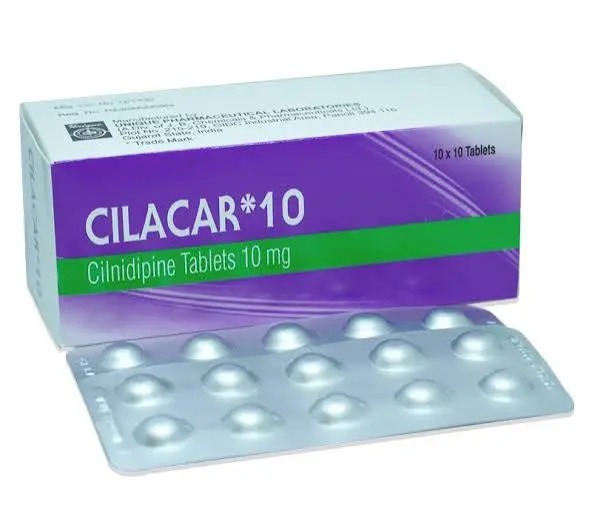
What Is Cilacar 10?
Cilacar 10 is a brand of cilnidipine 10 mg, a calcium channel blocker used to treat hypertension. It helps relax blood vessels, allowing blood to flow more easily and reducing the pressure against artery walls.
Always check the packaging to confirm the active ingredient and strength, and use this medicine only under medical supervision.
Cilacar 10 Uses
1. Treating High Blood Pressure
The primary use of Cilacar 10 is to manage hypertension. High blood pressure often causes no noticeable symptoms, so regular monitoring is important even when you feel well.
By relaxing blood vessels, cilnidipine helps lower blood pressure and reduces strain on the cardiovascular system.
2. Supporting Heart Health
Maintaining healthy blood pressure helps reduce the long-term risk of complications such as heart attack, stroke, and certain kidney problems. Cilacar 10 may form part of a treatment plan that also includes dietary changes, physical activity, and regular medical checkups.
It helps control a risk factor; it does not guarantee that heart disease will be prevented.
How Does Cilacar 10 Work?
Cilnidipine blocks certain calcium channels in blood vessel walls. This helps the muscles in the vessels relax and widen, making it easier for blood to circulate.
As blood vessels relax, blood pressure can decrease. The medicine works best when taken consistently as prescribed, alongside the lifestyle measures recommended by your healthcare professional.
How to Take Cilacar 10
Dosage Guidelines
The appropriate dose depends on your blood pressure readings, overall health, and your doctor’s treatment plan. Although the product contains 10 mg, this does not mean everyone should take the same dose.
- Take it according to your prescription.
- Follow your doctor’s instructions about when to take it and whether to take it with food.
- Swallow the tablet as directed on the packaging.
- If you miss a dose, ask your pharmacist or follow the patient leaflet; do not double the next dose.
- Do not stop taking it without consulting your doctor, even if your blood pressure improves.
Possible Side Effects
Some people tolerate Cilacar 10 well, while others may experience side effects. These can include:
- Headache
- Dizziness
- Flushing or a warm feeling
- Swelling of the ankles or feet
- Palpitations
- Low blood pressure
Contact your healthcare professional if side effects persist or become troublesome. Seek urgent medical attention for fainting, severe chest pain, difficulty breathing, or signs of a serious allergic reaction.
Precautions Before Using Cilacar 10
Tell your doctor about your medical history, including heart or liver problems, and provide a list of all medicines and supplements you use. Cilacar 10 may not be suitable for everyone, and your doctor may need to monitor your blood pressure and response to treatment.
Rise slowly from sitting or lying down if you feel dizzy. Avoid driving or operating machinery until you know how the medicine affects you.
Lifestyle habits also matter. Limiting excess salt, staying physically active, maintaining a healthy weight, and avoiding smoking can support blood pressure management.
Conclusion
Cilacar 10 is a blood-pressure medicine containing cilnidipine that works by relaxing blood vessels. When prescribed appropriately, it can help manage hypertension and reduce the strain high blood pressure places on the body. Follow your prescription, monitor your blood pressure regularly, and consult your healthcare professional if you experience side effects or have questions about treatment.