Alkasol Syrup: Uses, Benefits, Dosage, and Side Effects
Alkasol syrup is a medicine commonly used to make urine less acidic. Doctors may recommend it for certain urinary problems, including some cases of burning during urination and to help prevent particular types of kidney stones. Understanding its uses, dosage, and precautions can help you use it safely.
Although Alkasol syrup may help relieve specific urinary symptoms, it does not treat every underlying cause. Always follow your healthcare professional’s advice before using it.
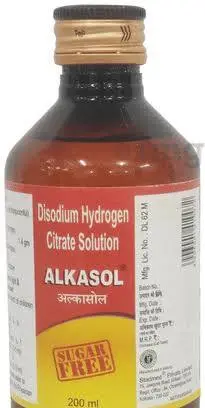
What Is Alkasol Syrup?
Alkasol syrup is a urinary alkalinizer. Many formulations contain disodium hydrogen citrate, which helps reduce the acidity of urine. However, ingredients and strengths can vary, so check the product label to confirm the exact formulation.
The medicine works by changing the acid balance of urine. This can make urine less acidic and may help relieve discomfort in certain conditions.
Alkasol Syrup Uses
1. Helps Reduce Burning During Urination
Alkasol syrup may help reduce the burning sensation associated with acidic urine in some people. However, burning during urination can also result from a urinary tract infection (UTI), irritation, or other medical conditions.
If you suspect an infection, consult a doctor. Alkasol syrup is not an antibiotic and cannot eliminate the bacteria responsible for a bacterial UTI.
2. Supports Kidney Stone Management
Doctors may recommend urinary alkalinizers for certain types of kidney stones, particularly uric acid stones. Making urine less acidic can help prevent these stones from forming and, in selected cases, help dissolve existing stones.
Not all kidney stones respond to this treatment. The correct approach depends on the stone type and your medical assessment.
3. Helps Make Urine Less Acidic
Some medical conditions benefit from a less acidic urine environment. A healthcare professional may prescribe Alkasol syrup for this purpose based on your symptoms and test results.
How Does Alkasol Syrup Work?
Alkasol syrup helps neutralize acidity and raises urine pH. This change may reduce irritation associated with acidic urine and create conditions that are less favorable for certain types of kidney stones.
Its effect depends on the underlying condition, the formulation, and the prescribed dose.
How to Take Alkasol Syrup
Dosage Guidelines
The correct dose depends on your age, medical condition, kidney function, and the product’s ingredients and strength. Follow the instructions provided by your doctor or pharmacist.
- Measure each dose with a proper medicine-measuring cup.
- Follow the prescribed timing and quantity.
- Do not increase the dose to obtain faster relief.
- Ask your healthcare professional what to do if you miss a dose.
- Drink fluids according to your doctor’s advice, especially if you have kidney or heart problems.
Do not use the syrup for persistent urinary symptoms without identifying the cause.
Possible Side Effects
Some people may experience side effects such as:
- Nausea
- Vomiting
- Stomach discomfort
- Diarrhea
Depending on its ingredients, Alkasol syrup may also affect electrolyte levels. Products containing sodium can be unsuitable for some people with high blood pressure, heart failure, kidney disease, or a sodium-restricted diet.
Seek medical advice if side effects persist. Get urgent help for severe weakness, confusion, unusual heartbeat, or a serious allergic reaction.
Precautions Before Using Alkasol Syrup
Tell your doctor about any kidney or heart conditions, high blood pressure, pregnancy, breastfeeding, or other medicines you take. Do not assume that a urinary alkalinizer is suitable for everyone.
Seek prompt medical attention if you have fever, chills, severe back or side pain, blood in your urine, vomiting, or difficulty passing urine. These symptoms may indicate a condition that needs specific treatment.
Conclusion
Alkasol syrup is used to make urine less acidic and may help manage certain urinary symptoms and types of kidney stones. However, it is not a substitute for antibiotics when a bacterial infection is present. Check the product label, use the medicine as directed, and consult a healthcare professional for persistent symptoms or questions about its safety.