Okacet Tablet Uses: Benefits, Dosage, and Side Effects
Okacet is an antihistamine medicine commonly used to relieve allergy symptoms such as sneezing, a runny nose, itchy eyes, and skin itching. Allergies can affect daily activities, sleep, and comfort, but the right treatment can help manage these symptoms.
Understanding Okacet tablet uses, how the medicine works, and its possible side effects can help you make informed decisions about allergy care. Always check the product label and consult a healthcare professional when necessary.
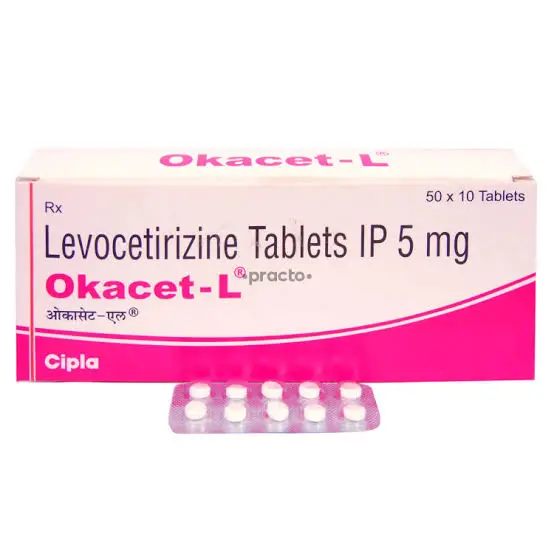
What Is an Okacet Tablet?
Okacet is a brand of cetirizine, an antihistamine used to treat symptoms associated with allergies. Cetirizine works by blocking histamine, a chemical released by the body during an allergic reaction.
Histamine can cause sneezing, itching, watery eyes, and a runny nose. By blocking its effects, cetirizine helps reduce these uncomfortable symptoms.
Check the packaging to confirm the active ingredient and tablet strength before taking the medicine.
Okacet Tablet Uses
1. Relief From Sneezing and a Runny Nose
One of the main Okacet tablet uses is relieving sneezing and a runny nose caused by allergic rhinitis. This condition may occur during particular seasons or after exposure to dust, pollen, or other allergens.
Cetirizine can help control these symptoms and make everyday activities more comfortable.
2. Treatment of Itchy and Watery Eyes
Allergies can cause red, watery, and itchy eyes. Okacet may help reduce these symptoms when they result from an allergic reaction.
Avoid rubbing your eyes, as this can increase irritation. If you experience eye pain or changes in vision, seek medical advice.
3. Relief From Skin Allergies and Itching
Okacet may help relieve itching associated with certain allergic skin conditions, including hives (urticaria).
Hives often appear as raised, itchy patches on the skin. Cetirizine can reduce the itching, although it does not treat every possible cause of a rash.
4. Management of Seasonal Allergies
People who experience allergies during particular seasons may benefit from cetirizine. It can help manage symptoms triggered by pollen, grass, and other environmental allergens.
The medicine controls symptoms rather than curing the underlying allergy.
How Should You Take Okacet Tablets?
Follow the Recommended Dosage
Take Okacet according to the package instructions or your healthcare professional’s advice. The appropriate dose depends on your age, kidney function, and the product’s strength.
Do not take extra tablets if your symptoms continue. Children may require a different formulation or dose, so seek professional guidance before giving them this medicine.
Possible Side Effects of Okacet
Like other medicines, Okacet can cause side effects. Commonly reported effects include:
- Drowsiness or sleepiness
- Fatigue
- Dry mouth
- Headache
- Dizziness
Although cetirizine is considered less sedating than some older antihistamines, it can still make some people sleepy. Avoid driving or operating machinery if affected.
Seek urgent medical attention if you develop difficulty breathing or swelling of the face, lips, tongue, or throat.
Precautions Before Using Okacet
People with kidney problems should consult a healthcare professional because their dose may need adjustment. Ask for advice before using Okacet during pregnancy or breastfeeding.
Avoid combining it with alcohol or sedating medicines without professional guidance, as these may increase drowsiness.
Conclusion
Understanding Okacet tablet uses can help you recognize how cetirizine may relieve sneezing, a runny nose, itchy eyes, and certain skin allergies. However, the medicine is not suitable for everyone and may cause drowsiness.
Follow the recommended instructions and consult a healthcare professional if your symptoms persist or worsen.