Aceclofenac and Paracetamol Tablets Uses: Benefits, Dosage, and Side Effects
Aceclofenac and paracetamol tablets are commonly prescribed to relieve pain and reduce inflammation. Doctors may recommend this combination for conditions that cause joint pain, muscle discomfort, swelling, or other types of painful symptoms. Understanding aceclofenac and paracetamol tablets uses can help you learn how this medicine works and what precautions you should take.
Although these medicines can provide relief, they are not suitable for everyone. Always follow your healthcare professional’s advice before taking them.
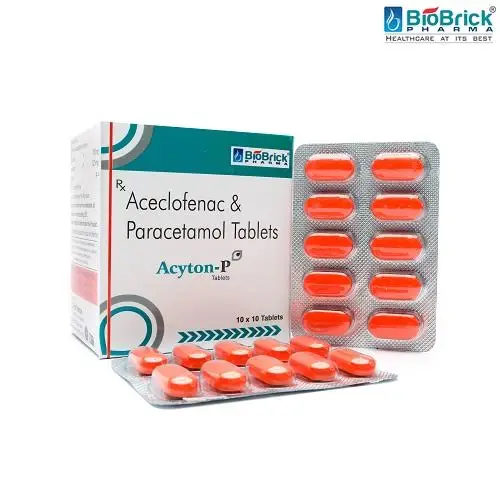
What Are Aceclofenac and Paracetamol Tablets?
Aceclofenac and paracetamol tablets contain two active ingredients that work differently to relieve pain.
- Aceclofenac is a nonsteroidal anti-inflammatory drug (NSAID). It helps reduce pain, inflammation, and swelling.
- Paracetamol, also called acetaminophen, helps relieve pain and reduce fever.
Together, these ingredients can provide pain relief in certain conditions. However, the medicine does not treat every underlying cause of pain.
Aceclofenac and Paracetamol Tablets Uses
1. Joint Pain and Arthritis
Doctors may prescribe this combination for pain associated with osteoarthritis, rheumatoid arthritis, and other inflammatory joint conditions. Aceclofenac helps reduce inflammation, while paracetamol contributes to pain relief.
The medicine may help improve comfort and movement, but it does not cure arthritis or stop all forms of joint damage.
2. Muscle Pain
Muscle aches caused by strains, overuse, or certain musculoskeletal conditions may respond to this combination when a healthcare professional considers it appropriate.
Rest, gentle movement, and other recommended treatments may also help recovery.
3. Back Pain
Aceclofenac and paracetamol tablets may be prescribed for some cases of lower back pain, particularly when inflammation contributes to discomfort.
Persistent back pain, pain following a serious injury, or back pain accompanied by leg weakness or bladder problems requires prompt medical assessment.
4. Dental Pain
Dentists may recommend this combination for certain types of dental pain or discomfort following dental procedures. However, pain caused by an infection or abscess requires appropriate dental treatment rather than painkillers alone.
5. Pain After Injuries
In some cases, doctors prescribe this medicine for pain and inflammation following sprains, strains, or minor injuries. The suitability of the combination depends on the injury and the patient’s medical history.
How Should You Take These Tablets?
Follow the Prescribed Dose
Take aceclofenac and paracetamol tablets exactly as directed by your doctor. The appropriate dose and treatment duration depend on the product strength, your age, and your health condition.
Taking the medicine with food may help reduce stomach discomfort, but it does not eliminate the risk of stomach ulcers or bleeding.
Do not combine it with other paracetamol-containing products or additional NSAIDs, such as ibuprofen or diclofenac, unless your healthcare professional advises you to do so.
Possible Side Effects
Like other medicines, this combination can cause side effects. These may include:
- Nausea or vomiting
- Stomach pain or indigestion
- Diarrhea
- Dizziness
- Increased liver enzymes
Rare but serious risks include gastrointestinal bleeding, kidney problems, liver injury, and allergic reactions.
Seek urgent medical care if you develop black stools, vomit blood, experience difficulty breathing, or notice yellowing of the skin or eyes.
Who Should Take Extra Precautions?
People with stomach ulcers, kidney or liver disease, heart disease, high blood pressure, or a history of reactions to NSAIDs should consult a doctor before using this medicine.
It may also be unsuitable during pregnancy, particularly later pregnancy. Ask a healthcare professional before taking it while pregnant or breastfeeding.
Conclusion
Understanding aceclofenac and paracetamol tablets uses helps explain why doctors prescribe this combination for certain types of joint pain, muscle pain, back pain, and other painful conditions. The medicine can provide relief, but it also carries important risks.
Use it only as directed by a qualified healthcare professional, and seek medical advice if your symptoms persist or worsen.