Vitamin D is often called the “sunshine vitamin” because your body produces it when your skin is exposed to sunlight. It plays a vital role in maintaining strong bones, supporting the immune system, improving muscle function, and promoting overall health. Despite its importance, vitamin D deficiency is common worldwide and often goes unnoticed because the symptoms can develop gradually.
In this Vitamin D Meds Info Hub guide, you’ll learn about the most common vitamin D deficiency symptoms, possible causes, risk factors, diagnosis, treatment options, and practical ways to maintain healthy vitamin D levels.
You can also read: Best Home Remedies for Headache:
What Is Vitamin D?
Vitamin D is a fat-soluble vitamin that helps your body absorb calcium and phosphorus, two minerals essential for healthy bones and teeth. It also supports immune function, muscle strength, and normal nerve activity.
Your body gets vitamin D from three main sources:
- Sunlight exposure
- Foods naturally rich in vitamin D
- Dietary supplements
When your body doesn’t get enough vitamin D over time, deficiency can develop and affect multiple systems.
What Is Vitamin D Deficiency?
Vitamin D deficiency occurs when your body does not have enough vitamin D to perform its normal functions. Low vitamin D levels can weaken bones, reduce muscle strength, and affect overall health.
Many people have mild deficiency without realizing it because the symptoms are often subtle in the early stages.
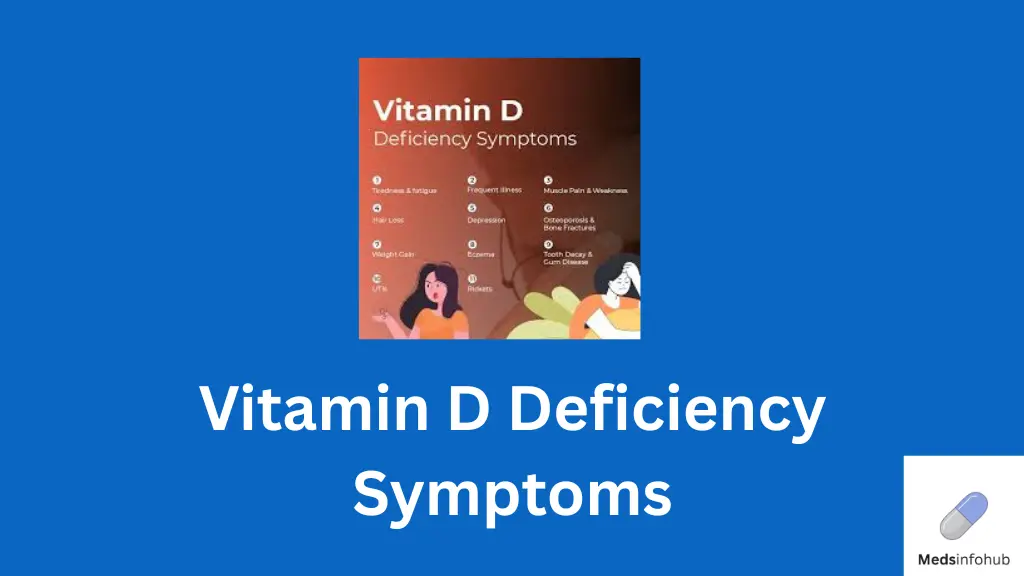
Common Vitamin D Deficiency Symptoms
The signs of vitamin D deficiency vary from person to person. Some individuals have no noticeable symptoms, while others experience several.
Frequent Fatigue
Feeling tired even after getting enough sleep is one of the most common symptoms.
Low vitamin D may contribute to reduced energy levels, making everyday activities feel more exhausting.
Bone Pain
Vitamin D helps the body absorb calcium. Without enough vitamin D, bones may become weak and painful.
Pain commonly affects the:
- Lower back
- Hips
- Legs
- Ribs
Persistent bone discomfort should be evaluated by a healthcare professional.
Muscle Weakness
Vitamin D supports normal muscle function.
Deficiency may cause:
- Muscle aches
- Difficulty climbing stairs
- Trouble standing from a seated position
- Reduced physical performance
Older adults may notice balance problems and an increased risk of falls.
Frequent Illness
Vitamin D plays an important role in supporting the immune system.
People with low vitamin D levels may experience:
- Frequent colds
- Repeated respiratory infections
- Slower recovery after illness
While vitamin D supports immune health, it is not a cure or guaranteed prevention for infections.
Slow Wound Healing
Cuts, bruises, and surgical wounds may heal more slowly if vitamin D levels are inadequate.
Vitamin D contributes to healthy inflammatory responses and tissue repair.
Hair Loss
Hair loss has many possible causes, including nutritional deficiencies.
Some research suggests that severe vitamin D deficiency may be associated with certain types of hair loss, though more studies are needed.
Mood Changes
Low vitamin D has been linked in some studies to mood changes, including low mood and reduced motivation. However, mood disorders have many causes, and vitamin D is only one possible factor.
If you experience persistent sadness or emotional distress, seek advice from a qualified healthcare professional.
Bone Fractures
Long-term vitamin D deficiency weakens bones by reducing calcium absorption.
This increases the risk of:
- Bone fractures
- Osteopenia
- Osteoporosis
Maintaining healthy vitamin D levels is important throughout life.
Who Is at Risk of Vitamin D Deficiency?
Certain groups are more likely to develop low vitamin D levels.
Risk factors include:
- Limited sun exposure
- Older age
- Darker skin pigmentation
- Obesity
- Digestive disorders affecting nutrient absorption
- Chronic kidney or liver disease
- Strict vegan diets without fortified foods
- Infants who are exclusively breastfed without appropriate supplementation, when recommended by a healthcare provider
Knowing your risk can help you take preventive steps.
Foods Rich in Vitamin D
Although sunlight is the primary source, certain foods can also help increase vitamin D intake.
Good sources include:
- Fatty fish such as salmon, mackerel, and sardines
- Egg yolks
- Beef liver
- Fortified milk
- Fortified yogurt
- Fortified breakfast cereals
- Fortified plant-based milk alternatives
- Fortified orange juice
Including these foods in a balanced diet may help support healthy vitamin D levels.
How Much Sunlight Do You Need?
Sunlight helps the body naturally produce vitamin D.
The amount of sun exposure needed varies depending on:
- Skin tone
- Season
- Geographic location
- Time of day
- Clothing
- Sunscreen use
Short periods of sun exposure may be enough for some people, while others may require more. Because excessive sun exposure increases the risk of skin damage, it’s important to balance vitamin D production with sun safety.
How Is Vitamin D Deficiency Diagnosed?
A healthcare provider can diagnose vitamin D deficiency using a blood test that measures your vitamin D level.
Your healthcare provider may also ask about:
- Symptoms
- Diet
- Medical history
- Lifestyle
- Current medications
Testing helps determine whether supplementation or other treatments are appropriate.
Treatment Options
Treatment depends on how low your vitamin D level is and your individual health needs.
Your healthcare provider may recommend:
Vitamin D Supplements
Supplements are one of the most effective ways to correct deficiency. The dosage varies depending on your blood test results and medical history.
Do not take high-dose vitamin D unless advised by a healthcare professional, as excessive intake can be harmful.
Dietary Changes
Increasing foods naturally rich in vitamin D and choosing fortified foods can support healthy levels over time.
Safe Sun Exposure
Spending a moderate amount of time outdoors may help your body produce vitamin D naturally while following sun safety recommendations.
Tips to Prevent Vitamin D Deficiency
Preventing deficiency is often easier than treating it.
Simple habits include:
- Spend time outdoors regularly when appropriate.
- Eat vitamin D-rich foods.
- Include fortified foods in your diet.
- Stay physically active.
- Maintain a balanced diet.
- Discuss supplements with your healthcare provider if you’re at higher risk.
- Have your vitamin D levels checked if recommended.
Frequently Asked Questions
Can vitamin D deficiency cause tiredness?
Yes. Persistent fatigue is one of the most commonly reported symptoms of vitamin D deficiency, although many other conditions can also cause tiredness.
Can children develop vitamin D deficiency?
Yes. Children who do not receive enough vitamin D may develop bone problems such as rickets. Parents should follow their healthcare provider’s advice regarding nutrition and supplementation.
Can I get enough vitamin D from food alone?
It can be difficult for many people to meet their vitamin D needs through food alone. Depending on your circumstances, sunlight exposure and supplements may also play a role.
Conclusion
Vitamin D is essential for healthy bones, muscles, immunity, and overall well-being. Recognizing the early signs of deficiency—such as fatigue, muscle weakness, bone pain, frequent illness, and slow wound healing—can help you seek timely medical advice.
This Vitamin D Meds Info Hub guide highlights the importance of a balanced diet, safe sunlight exposure, and professional medical guidance when needed. If you suspect you have a vitamin D deficiency, consult a healthcare provider for proper testing and personalized treatment recommendations. Taking proactive steps today can help support stronger bones, better health, and improved quality of life in the future.