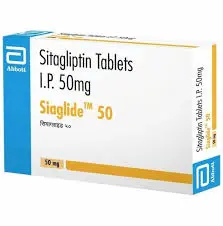
If you’ve been diagnosed with type 2 diabetes, your doctor may have mentioned Sitagliptin. But what is it, and how does it help manage blood sugar? Let’s break it down in simple terms for anyone unfamiliar with this medication.
What is Sitagliptin?
Sitagliptin is an oral medication used to control blood sugar in adults with type 2 diabetes. It belongs to a class of drugs called DPP-4 inhibitors, which work by increasing insulin release after meals and reducing sugar production by the liver.
Doctors often prescribe Sitagliptin when diet and exercise alone aren’t enough to keep blood glucose levels in a healthy range. It can be used alone or in combination with other diabetes medications.
You can also read: Drotaverine
How Does Sitagliptin Work?
Sitagliptin works by blocking the DPP-4 enzyme. This enzyme normally breaks down incretin hormones, which help the body release insulin when blood sugar rises. By inhibiting DPP-4, Sitagliptin allows incretin hormones to stay active longer, resulting in:
- More insulin release after meals
- Lower sugar production by the liver
- Better overall blood sugar control
Because of this mechanism, Sitagliptin is considered weight-neutral and less likely to cause low blood sugar (hypoglycemia) compared to some other diabetes medications.
Common Uses of Sitagliptin
Sitagliptin is mainly used for:
- Type 2 diabetes management in adults
- Combination therapy with metformin or insulin when diet and exercise aren’t enough
- Supporting long-term blood sugar control to reduce the risk of complications
The FDA in the USA provides clear guidelines on Sitagliptin dosing and safety to ensure effective and safe treatment.
Dosage and Safety Tips
When taking Sitagliptin, keep these tips in mind:
- Take it exactly as prescribed, usually once daily with or without food.
- Swallow tablets whole with water.
- If you miss a dose, take it as soon as you remember—do not double the next dose.
- Regularly monitor your blood sugar levels as advised by your doctor.
People with kidney problems may require a lower dose. Always inform your healthcare provider about any medical conditions or medications you’re taking.
Possible Side Effects
Most people tolerate Sitagliptin well, but some may experience:
- Headache
- Nasal congestion or sore throat
- Mild stomach upset
Serious but rare side effects include pancreatitis, severe allergic reactions, or joint pain. Contact your doctor immediately if you experience persistent stomach pain, swelling, or difficulty breathing.
Conclusion
Sitagliptin is a valuable medication for managing type 2 diabetes, helping control blood sugar safely when used as directed. By understanding how it works and following your doctor’s instructions, you can maintain better glucose control and reduce the risk of diabetes complications.
Always take Sitagliptin as prescribed, report side effects promptly, and combine medication with healthy diet and regular exercise for best results.